Responsible rehabilitation and mine closure planning
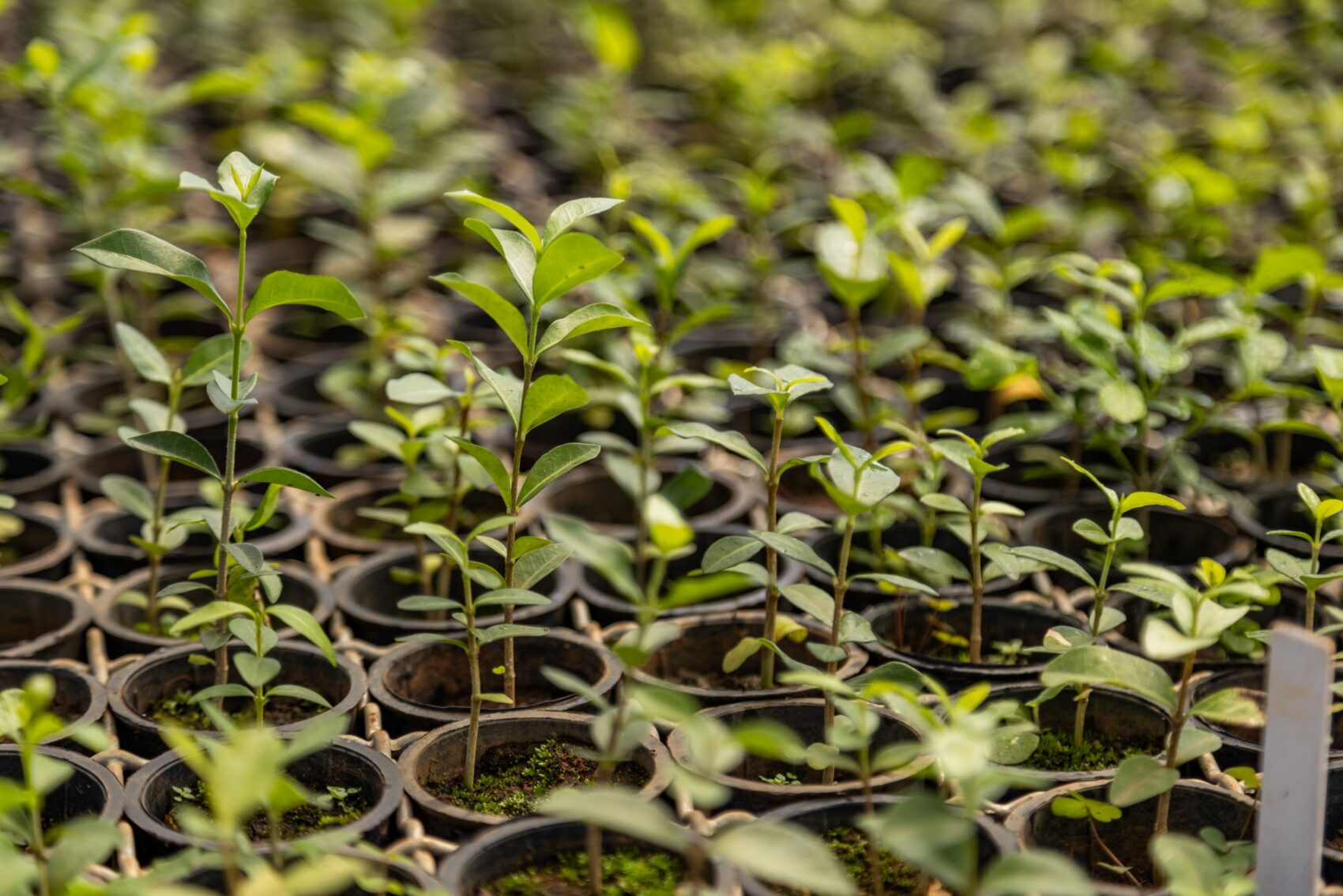
AngloGold Ashanti aims to leave a positive ecological legacy when mining operations reach the end of their life.
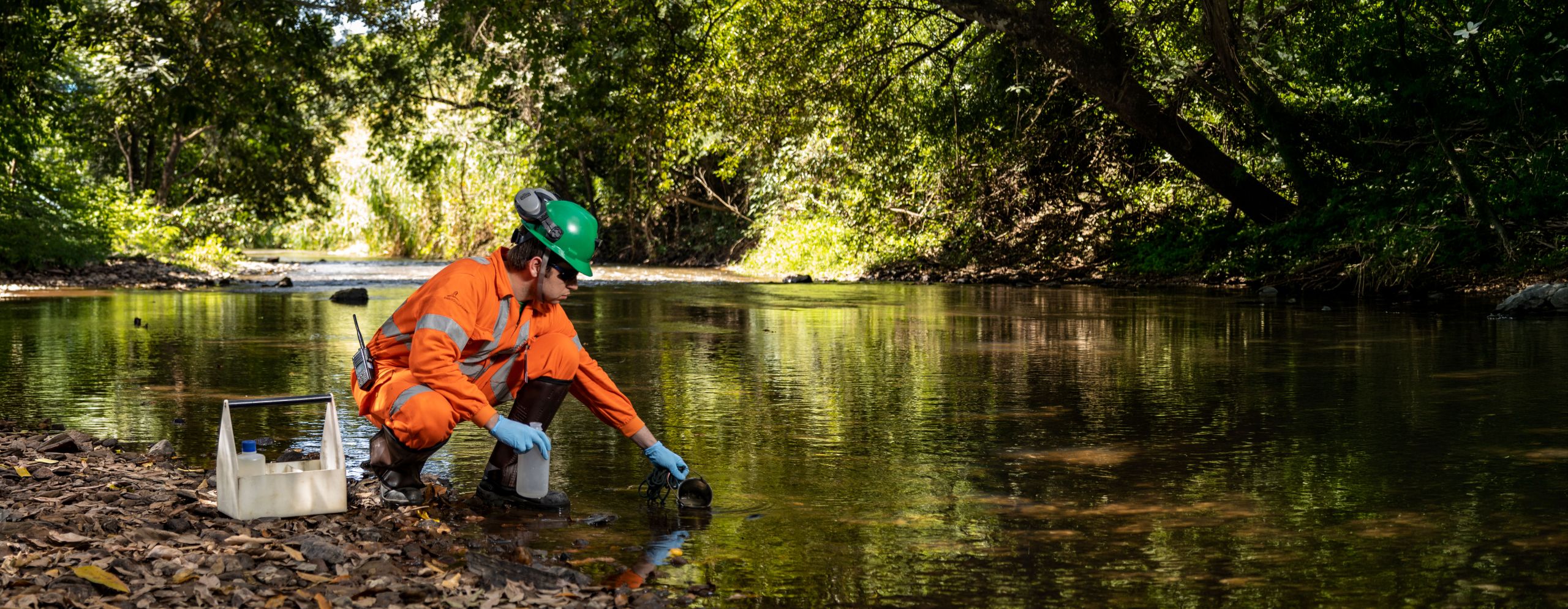
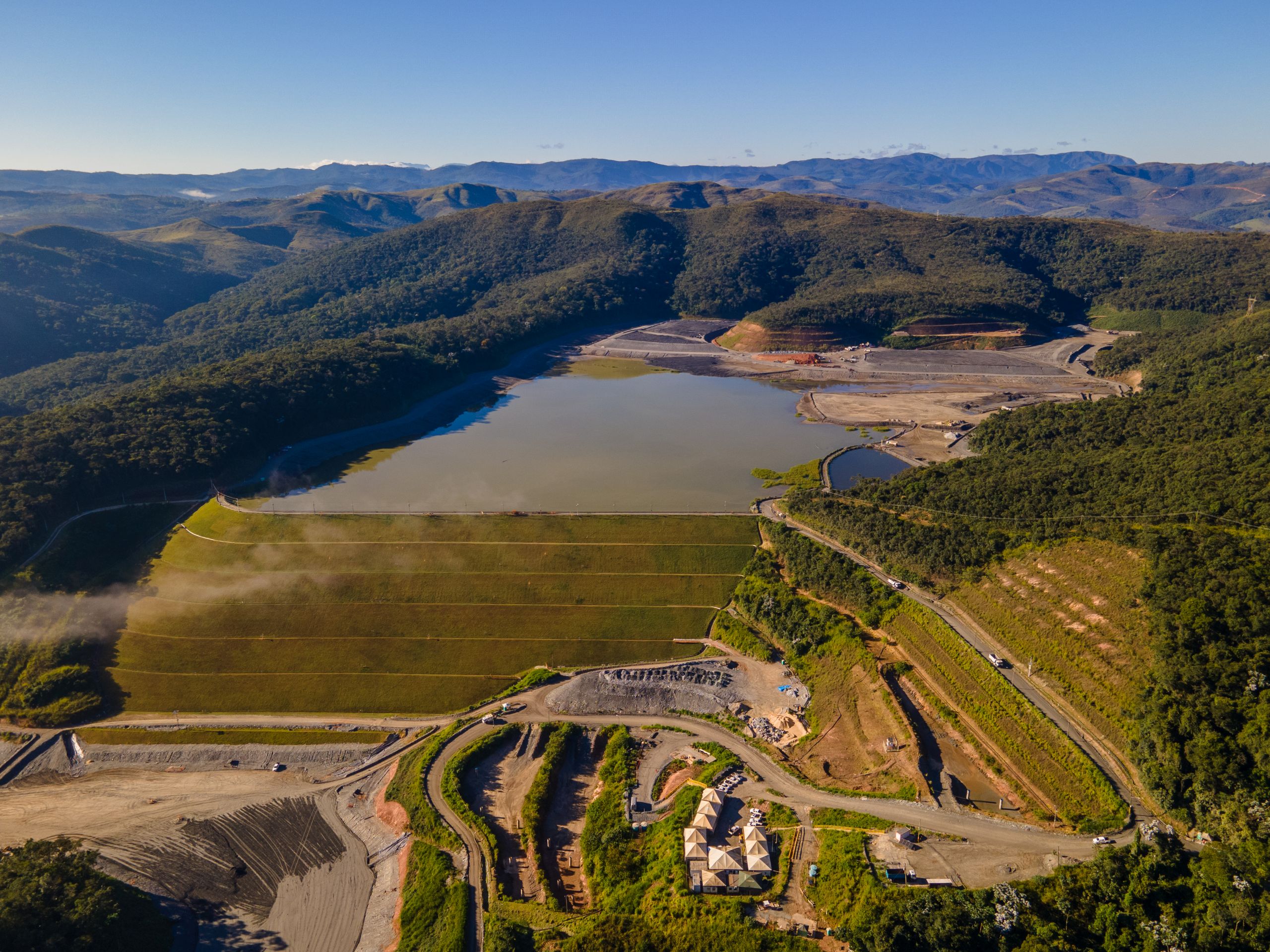
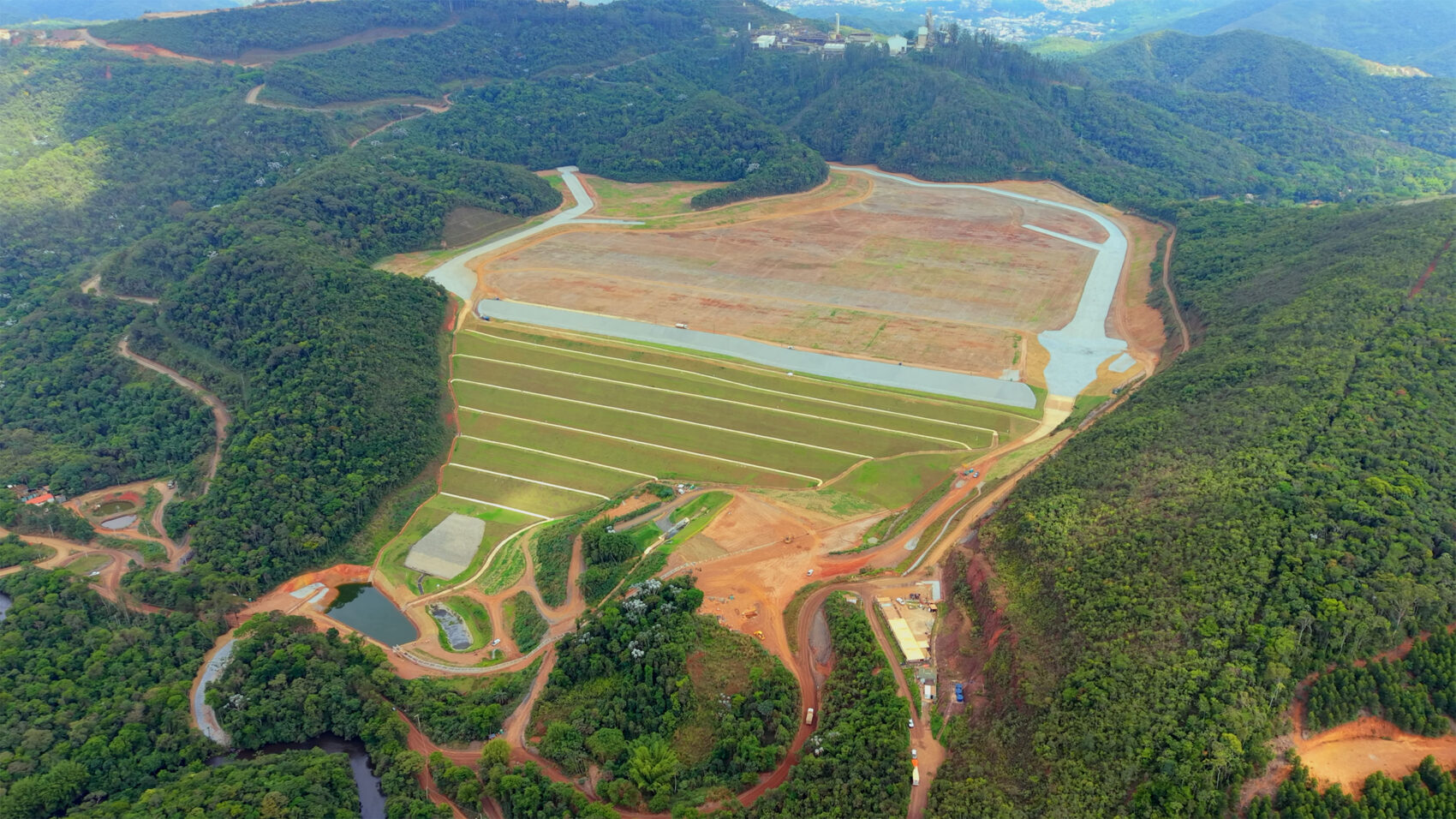
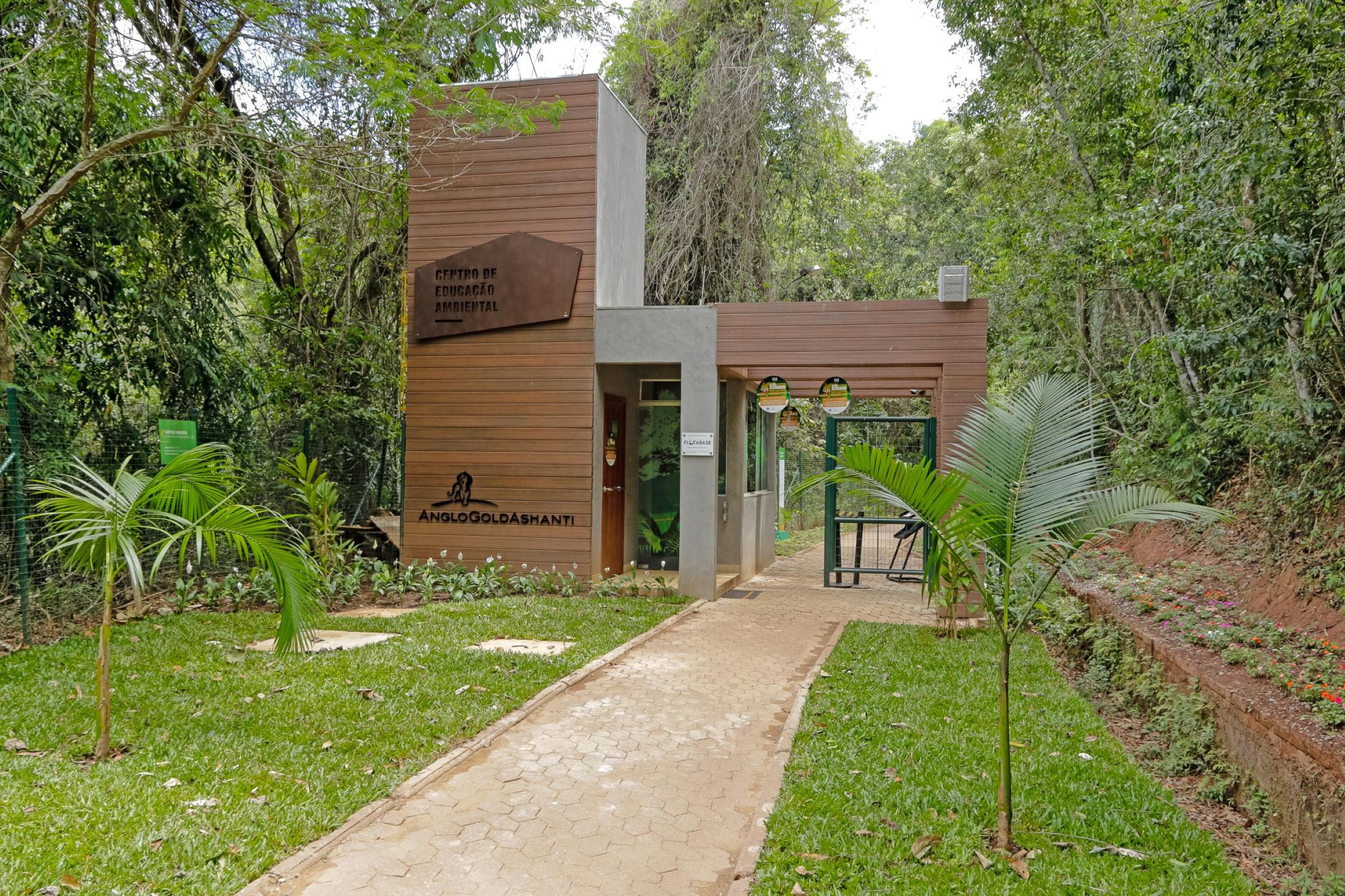
AGA Mineração, Nova Lima, Brazil
The land we mine on is a borrowed resource that is shared with the communities that neighbour our mines. As stewards of this land, we recognise that we have a duty to restore and enhance the natural environment through responsible closure, restoration and rehabilitation.
Our commitment
AngloGold Ashanti strives to integrate mine closure planning throughout the mine life cycle. We do this by preserving and establishing natural ecosystems and where feasible, through concurrent rehabilitation, to limit our environmental impacts and liabilities. We are committed to working in partnership with communities, governments and other stakeholders to create vibrant and resilient economies that thrive long after mine closure.
Strategic focus areas:
- Develop site-specific closure plans that align with the regulatory requirements of the jurisdictions within which we operate
- Mature our risk-based processes related to closure priorities, for example engineering designs for closure of TSFs and postclosure water management and treatment
- Co-develop social transition plans with communities, governments and other partners
Integrated closure planning
AngloGold Ashanti’s Mine Closure Planning Standard guides the business in identifying and managing current and future risks and liabilities by stipulating that mine closure planning must be incorporated, reviewed and improved at every stage of a mine’s life cycle.
Aligned with the ICMM’s Integrated Mine Closure Good Practice Guide, AngloGold Ashanti’s approach is holistic in that it considers the environmental, social and economic aspects of mine closure in consultation with stakeholders. Our plans include post-mining transition planning to minimise adverse impacts of mine closure on local economies through the creation of selfsustaining communities who are supported by alternative livelihood initiatives and socioeconomic development programmes.
Site-specific closure plans are developed by each of our sites using a risk-based process to identify closure priorities and where we can, we rehabilitate concurrently with mining and processing operations. The Standard requires operations to have temporary closure plans (care and maintenance plans) in place for sudden suspension of operations due to issues such as declining commodity prices, rising costs, government policy changes or seismic events.
Closure planning starts where mining begins
We integrate mine closure planning throughout the mine life cycle.

Exploration phase
Adopt and comply with the provisions of this standard as appropriate to ensure cessation and closure of exploration activities in a manner that meets the intent of the standard.

Project phase
Develop closure plans and cost estimates in line with the requirements for major projects.

Operational phase
Develop and update a mine closure plan and costs estimates (including social transition plan and its implementation) with increasing levels of detail and confidence over the operational phase as part of horizon planning and integrated planning.

Closure period
Implement the final mine closure plan (including final components of social transition plan) from cessation of operations during which decommissioning, dismantling and rehabilitation occurs until the point in time where management of the site is largely limited to monitoring and maintenance.

Post-closure monitoring
Between closure and relinquishment, the activities tend to be limited to monitoring, some maintenance where applicable and other complimentary activities (like long-term or possibly in-perpetuity water treatment) to reach physical and chemical stability. This may also include monitoring and evaluation of the social transition plan.

Relinquishment
Obtain formal approval by the relevant regulating authorities indicating that the closure completion criteria for the mine have been met to the satisfaction of the authorities and ownership and residual liability for the land may now be accepted by the next land user.
Developments in 2025
Brazil completed the final detailed closure designs and cost estimates for decharacterisation of four tailings facilities at Cuiaba and Queiroz. The Ghana EPA approved the environmental permit for the Arsenic Trioxide Treatment and Disposal Project at Obuasi. This offers the opportunity for final resolution and disposal of the toxic stockpile that has been bunkered since about 2006. Iduapriem also received EPA approval for the GTSF Closure Plan. CVSA obtained approval for its fifth version of the Mine Closure Plan and Sukari developed its first conceptual mine closure plan.
Concurrent rehabilitation
International good practice and, in some instances, environmental regulations in the countries where we operate compel us to rehabilitate land affected by our operations both during operations and also in the closure phase of the mine life cycle.
AngloGold Ashanti’s mineral right areas cover 624,281ha of land. Of the land under our active management, 4,231ha is classified as rehabilitated land and in 2025, we rehabilitated a total of 203ha of land (2024: 171ha).
Mine closure liability estimates and provisions
We strive to ensure that there are adequate resources to address our mine closure commitments and liabilities and in addition, we are required by law to make financial provisions for such work in most of the jurisdictions in
which we operate.
Our consolidated Group environmental liability estimates in 2025 were $729 million (2024: $700 million).
We undertake quarterly reviews and updates of our mine closure liability estimates to ensure compliance with legislative changes and align them to business plans.
Mine closure liability estimates are based on legislative requirements and incorporate the cost of rehabilitation, infrastructure design, transition planning and the unit costs of the planned implementation activities.
We have implemented a variety of financial instruments/assurance, including accounting provisions, escrow accounts and bank/insurance guarantees for mine closure
Leaving communities and nature better off
AngloGold Ashanti’s goal is to ensure that communities and nature are better off after we close our operations. This is in acknowledgement of AngloGold Ashanti’s long-standing presence in specific communities and how it has been intertwined with local cultures.
Our closure programmes are premised on earning stakeholder trust, thereby enhancing our chances of acquiring and keeping our social licence to operate. As a result, stakeholder input is required throughout the site’s life cycle, and closure management plans balance corporate and stakeholder interests while complying with regulatory obligations and commitments.
Our mining operations play a pivotal role in local economies through employment and supply chain localisation and this approach to closure has been instrumental in our quest to continually contribute towards creating resilient communities and a positive legacy.
Looking ahead
- Commencement of the Arsenic trioxide treatment and disposal project at Obuasi
- Resolution and final approval of the Geita closure plan by the regulators
- Posting of rehabilitation bonds at Geita (pending approval of the closure plan) and CVSA
- Work to update the mine closure plans at Siguiri, Tropicana, Sunrise Dam and Sukari
Related SDGs
SDG 12
Responsible consumption and production
SDG 13
Climate
action
SDG 15
Life on land
Material sustainability issues
- Management of nature and biodiversity, including land use, rehabilitation and closure
- Ensuring safety, health and overall wellbeing employees and communities
- Preparing for and managing risk and emergencies to minimise impacts on people and operations
For more information on principal risks see the 2025 Annual Report
Principal risks
- Adverse regulatory changes (mining rights, fiscal)
- Failure to maintain integrity of tailings storage facilities
- Failure to maintain social licence to operate
- Failure to maintain sufficient resilience to external financial drivers
Disclosure against standards
- SASB EM-MM-160: Biodiversity impacts
- ICMM Responsible Mining Principle 6.1: Conservation of biodiversity: Plan and design for closure in consultation with relevant authorities and stakeholders, implement measures to address closure-related environmental and social aspects, and make financial provision to enable agreed closure and post-closure commitments to be realised.
- WGC Responsible Gold Mining Principle 9: Biodiversity, land use and mine closure: We will work to ensure that fragile ecosystems, critical habitats and endangered species are protected from damage, and we will plan for responsible mine closure.
What we measure
LA | Land managed (ha)
624,281
(2024: 583,277)
LA | Land rehabilitated – total (ha)
4,231
(2024: 4,271)
LA | Land rehabilitated in 2025 (ha)
203
(2024: 171)
LA | Land disturbed and not yet rehabilitated (ha)
19,796
(2024: 16,354)
Total rehabilitation liabilities
$729m
(2024: $700m)
| Land managed* (ha) | |
|---|---|
| Africa | 223,087 |
| Americas | 76,785 |
| Australia | 324,409 |
| Total | 624,281 |
* Land managed encompasses both land held under full title ownership by AGA and areas where AGA holds mineral rights that overlap with third-party land uses (such as community settlements, municipalities, or agricultural activities).
| Rehabilitated land (ha) | |
|---|---|
| Africa | 31 |
| Americas | 95 |
| Australia | 77 |
| Total | 203 |
Rehabilitation liabilities per region ($m)
- Includes Mpasatia (Bibiani pit)
- The equity-accounted investments includes Kibali
- La Colosa is classified as held for sale at 31 December 2025. The restoration liability included in liabilities held for sale is $9,3m