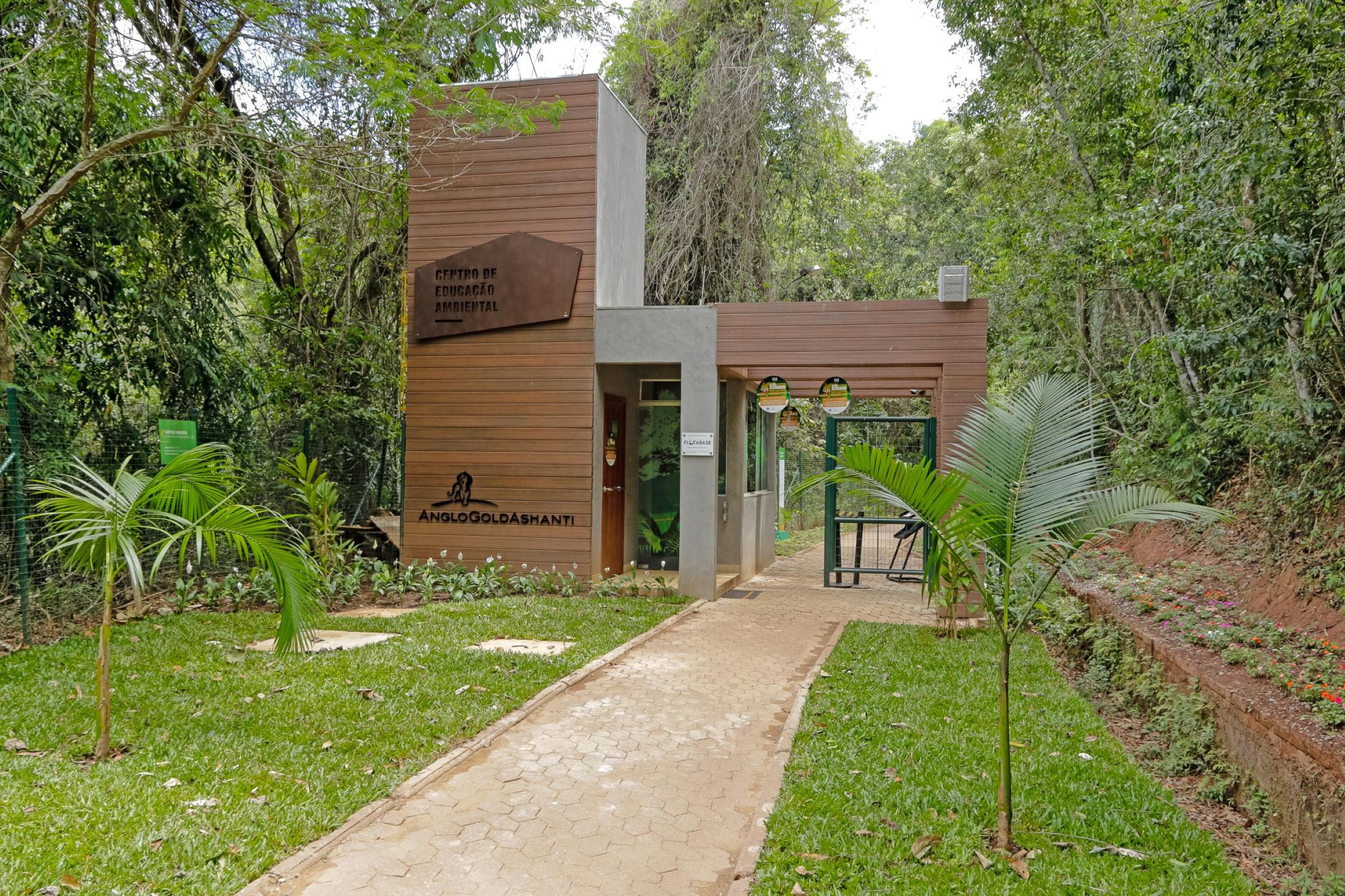
Category: Environmental resilience

  • Responsible rehabilitation and mine closure planning

    Responsible rehabilitation and mine closure planning

    Our commitment

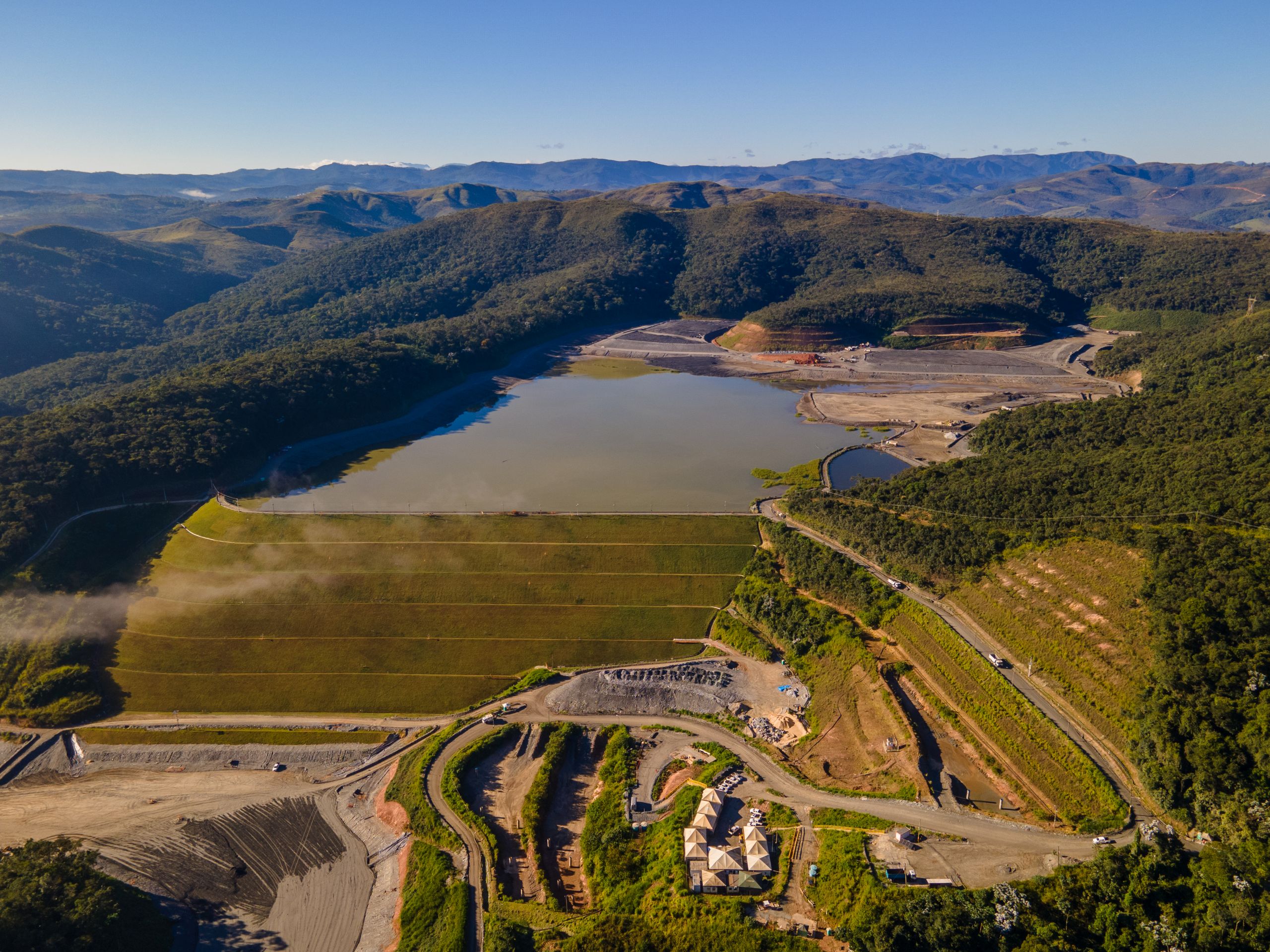
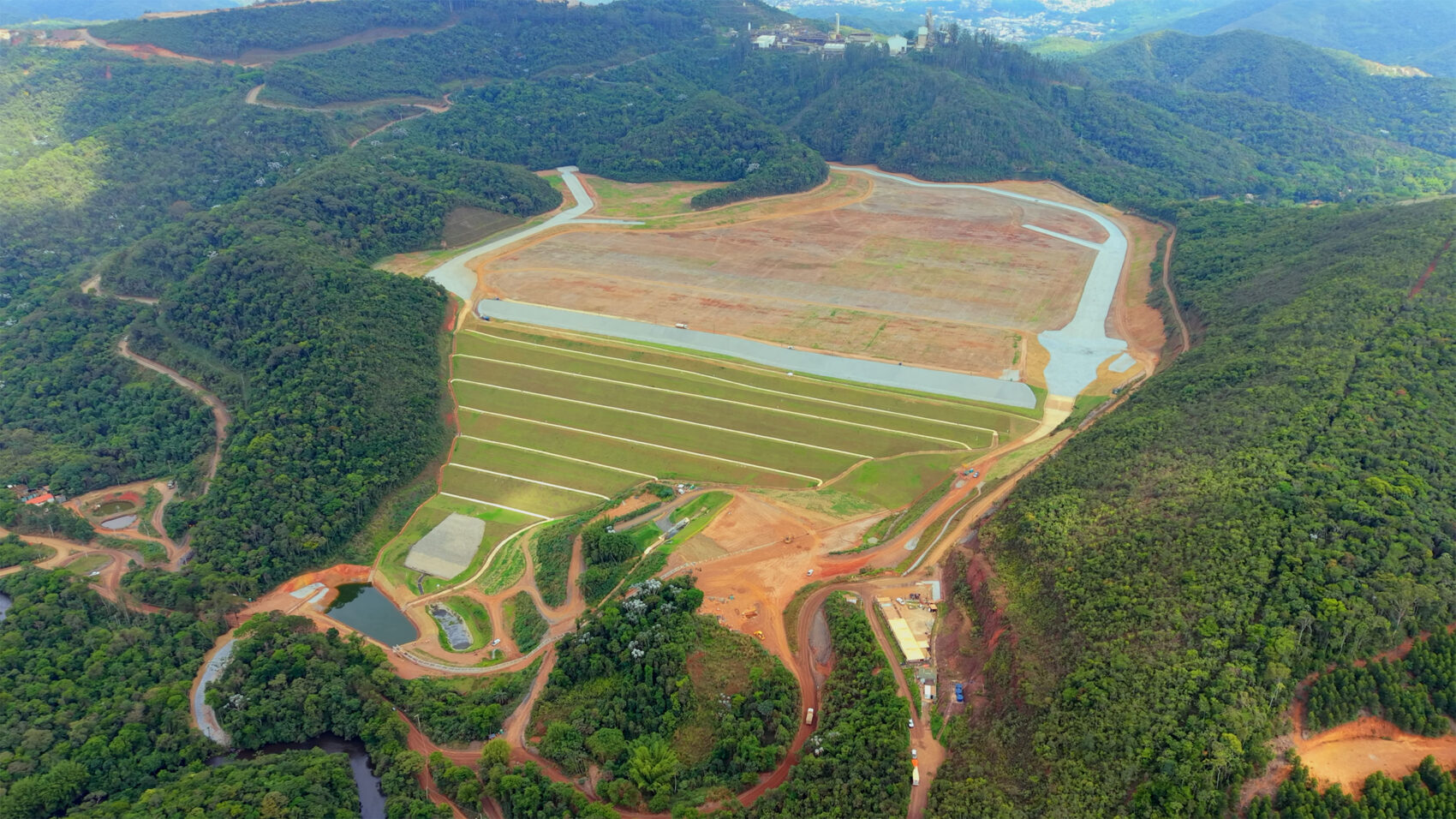
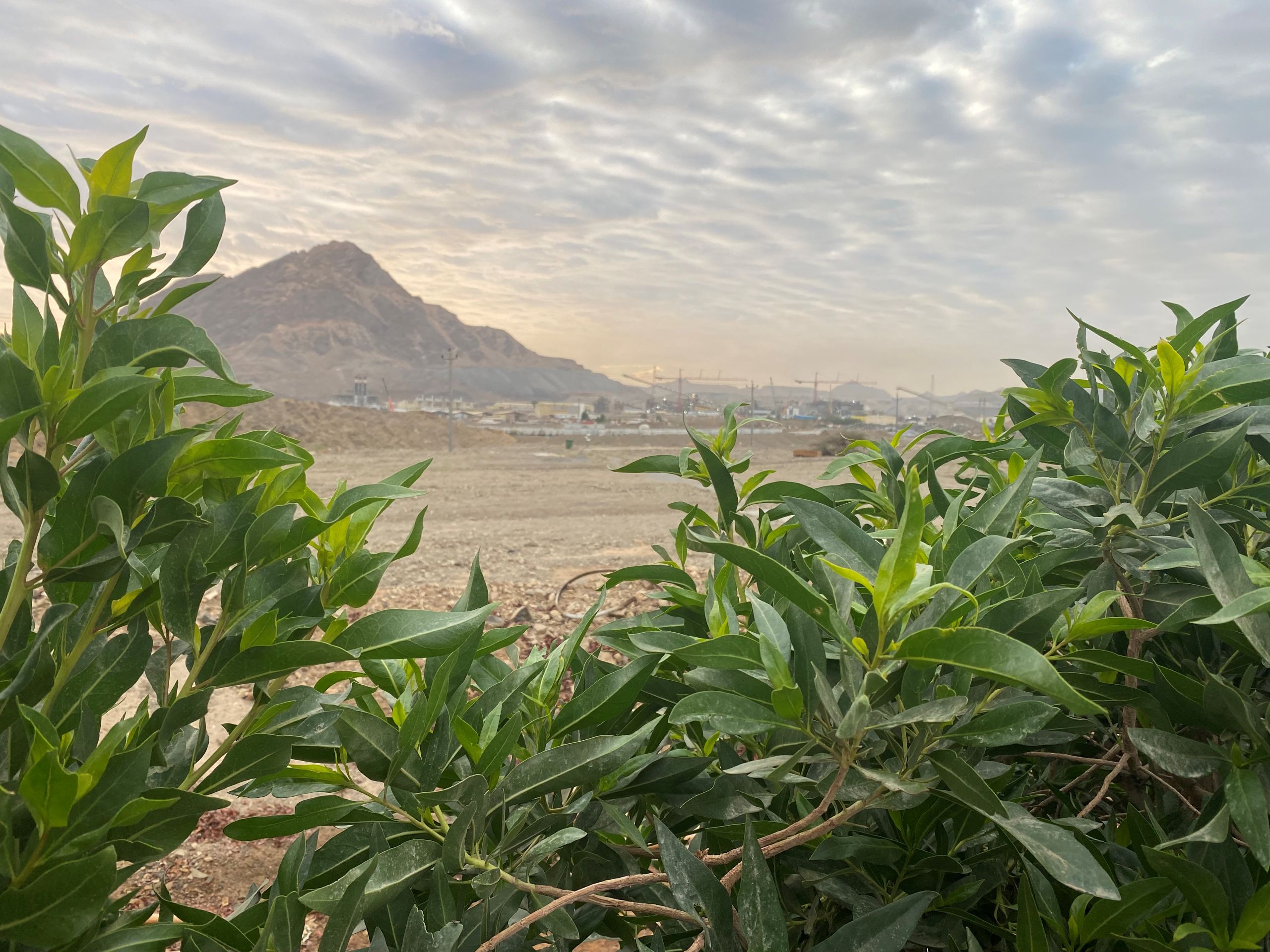
    AngloGold Ashanti strives to integrate mine closure planning throughout the mine life cycle. We do this by preserving and establishing natural ecosystems and where feasible, through concurrent rehabilitation, to limit our environmental impacts and liabilities. We are committed to working in partnership with communities, governments and other stakeholders to create vibrant and resilient economies that thrive long after mine closure.

    • Develop site-specific closure plans that align with the regulatory requirements of the jurisdictions within which we operate
    • Mature our risk-based processes related to closure priorities, for example engineering designs for closure of TSFs and postclosure water management and treatment
    • Co-develop social transition plans with communities, governments and other partners

    AngloGold Ashanti’s Mine Closure Planning Standard guides the business in identifying and managing current and future risks and liabilities by stipulating that mine closure planning must be incorporated, reviewed and improved at every stage of a mine’s life cycle.

    Aligned with the ICMM’s Integrated Mine Closure Good Practice Guide, AngloGold Ashanti’s approach is holistic in that it considers the environmental, social and economic aspects of mine closure in consultation with stakeholders. Our plans include post-mining transition planning to minimise adverse impacts of mine closure on local economies through the creation of selfsustaining communities who are supported by alternative livelihood initiatives and socioeconomic development programmes.

    Site-specific closure plans are developed by each of our sites using a risk-based process to identify closure priorities and where we can, we rehabilitate concurrently with mining and processing operations. The Standard requires operations to have temporary closure plans (care and maintenance plans) in place for sudden suspension of operations due to issues such as declining commodity prices, rising costs, government policy changes or seismic events.

    Adopt and comply with the provisions of this standard as appropriate to ensure cessation and closure of exploration activities in a manner that meets the intent of the standard.

    Develop closure plans and cost estimates in line with the requirements for major projects.

    Develop and update a mine closure plan and costs estimates (including social transition plan and its implementation) with increasing levels of detail and confidence over the operational phase as part of horizon planning and integrated planning.

    Implement the final mine closure plan (including final components of social transition plan) from cessation of operations during which decommissioning, dismantling and rehabilitation occurs until the point in time where management of the site is largely limited to monitoring and maintenance.

    Between closure and relinquishment, the activities tend to be limited to monitoring, some maintenance where applicable and other complimentary activities (like long-term or possibly in-perpetuity water treatment) to reach physical and chemical stability. This may also include monitoring and evaluation of the social transition plan.

    Obtain formal approval by the relevant regulating authorities indicating that the closure completion criteria for the mine have been met to the satisfaction of the authorities and ownership and residual liability for the land may now be accepted by the next land user.

    Developments in 2025

    Brazil completed the final detailed closure designs and cost estimates for decharacterisation of four tailings facilities at Cuiaba and Queiroz. The Ghana EPA approved the environmental permit for the Arsenic Trioxide Treatment and Disposal Project at Obuasi. This offers the opportunity for final resolution and disposal of the toxic stockpile that has been bunkered since about 2006. Iduapriem also received EPA approval for the GTSF Closure Plan. CVSA obtained approval for its fifth version of the Mine Closure Plan and Sukari developed its first conceptual mine closure plan.

    International good practice and, in some instances, environmental regulations in the countries where we operate compel us to rehabilitate land affected by our operations both during operations and also in the closure phase of the mine life cycle.

    AngloGold Ashanti’s mineral right areas cover 624,281ha of land. Of the land under our active management, 4,231ha is classified as rehabilitated land and in 2025, we rehabilitated a total of 203ha of land (2024: 171ha).

    We strive to ensure that there are adequate resources to address our mine closure commitments and liabilities and in addition, we are required by law to make financial provisions for such work in most of the jurisdictions in
    which we operate.

    Our consolidated Group environmental liability estimates in 2025 were $729 million (2024: $700 million).

    We undertake quarterly reviews and updates of our mine closure liability estimates to ensure compliance with legislative changes and align them to business plans.

    Mine closure liability estimates are based on legislative requirements and incorporate the cost of rehabilitation, infrastructure design, transition planning and the unit costs of the planned implementation activities.

    We have implemented a variety of financial instruments/assurance, including accounting provisions, escrow accounts and bank/insurance guarantees for mine closure

    AngloGold Ashanti’s goal is to ensure that communities and nature are better off after we close our operations. This is in acknowledgement of AngloGold Ashanti’s long-standing presence in specific communities and how it has been intertwined with local cultures.

    Our closure programmes are premised on earning stakeholder trust, thereby enhancing our chances of acquiring and keeping our social licence to operate. As a result, stakeholder input is required throughout the site’s life cycle, and closure management plans balance corporate and stakeholder interests while complying with regulatory obligations and commitments.

    Our mining operations play a pivotal role in local economies through employment and supply chain localisation and this approach to closure has been instrumental in our quest to continually contribute towards creating resilient communities and a positive legacy.

    Looking ahead

    • Commencement of the Arsenic trioxide treatment and disposal project at Obuasi
    • Resolution and final approval of the Geita closure plan by the regulators
    • Posting of rehabilitation bonds at Geita (pending approval of the closure plan) and CVSA
    • Work to update the mine closure plans at Siguiri, Tropicana, Sunrise Dam and Sukari
    • Management of nature and biodiversity, including land use, rehabilitation and closure
    • Ensuring safety, health and overall wellbeing employees and communities
    • Preparing for and managing risk and emergencies to minimise impacts on people and operations

    For more information on principal risks see the 2025 Annual Report

    • Adverse regulatory changes (mining rights, fiscal)
    • Failure to maintain integrity of tailings storage facilities
    • Failure to maintain social licence to operate
    • Failure to maintain sufficient resilience to external financial drivers
    • SASB EM-MM-160: Biodiversity impacts
    • ICMM Responsible Mining Principle 6.1: Conservation of biodiversity: Plan and design for closure in consultation with relevant authorities and stakeholders, implement measures to address closure-related environmental and social aspects, and make financial provision to enable agreed closure and post-closure commitments to be realised.
    • WGC Responsible Gold Mining Principle 9: Biodiversity, land use and mine closure: We will work to ensure that fragile ecosystems, critical habitats and endangered species are protected from damage, and we will plan for responsible mine closure.
    LA | Land managed (ha)

    (2024: 583,277)

    LA | Land rehabilitated – total (ha)

    (2024: 4,271)

    LA | Land rehabilitated in 2025 (ha)

    (2024: 171)

    LA | Land disturbed and not yet rehabilitated (ha)

    (2024: 16,354)

    Total rehabilitation liabilities

    (2024: $700m)

    Land managed* (ha)
    Africa223,087
    Americas76,785
    Australia324,409
    Total624,281

    * Land managed encompasses both land held under full title ownership by AGA and areas where AGA holds mineral rights that overlap with third-party land uses (such as community settlements, municipalities, or agricultural activities).

    Rehabilitated land (ha)
    Africa31
    Americas95
    Australia77
    Total203
    Rehabilitation liabilities per region ($m)
    1. Includes Mpasatia (Bibiani pit)
    2. The equity-accounted investments includes Kibali
    3. La Colosa is classified as held for sale at 31 December 2025. The restoration liability included in liabilities held for sale is $9,3m
    LA | Total land disturbed and rehabilitated (ha)
  • Water stewardship

    Water stewardship

    Our Water Management Standard ensures a consistent framework is applied across the entire mining life cycle. Regardless of whether our operations are located in water-scarce or water-abundant regions, we use comprehensive water balance models to monitor usage and identify catchment-specific risks. This data-driven approach allows us to set tailored objectives for optimising withdrawal and consumption.

    Our primary operational goals are compliance and efficiency. Where feasible, we implement closed-loop systems that recycle process water, eliminating the need for environmental discharge. In regions with high rainfall where discharge is required to manage excess runoff, we apply treatment processes to ensure all water leaving our sites maintains appropriate water quality standards and aligns with regional catchment priorities.

    Our commitment

    We believe that water should be used in a way that is socially equitable, environmentally sustainable and economically beneficial.

    As responsible stewards of environmental resources, AngloGold Ashanti is committed to minimising our consumption of water and our impacts on local and regional water resources.

    All our operations work to optimise their consumptive water use and achieve their water quality objectives. They do this with the support of a calibrated water balance model and guard against compromising the water supply of local communities and downstream ecosystems.

    We recognise that climate change is forecasted to alter rainfall intensity and water availability, hence a systematic and adaptive approach to water stewardship is vital to our business and the communities around us.

    • Standardisation and co-ordination of our approach to water management across the business
    • Roll out site-specific water stewardship goals
    • Inclusion of water management as a management performance measure
    • Collaboration with other stakeholders to improve sustainable water use

    Performance in 2025

    Over 2025, our Water Stewardship initiative advanced a portfolio of one-to-two-year projects designed to deliver value-adding water stewardship goals adapted to each mine’s local context. These spanned internal operational efficiency improvements, to enhanced water security and resilience within our host catchments. Oversight by the Water Stewardship Committee ensured projects were tracked rigorously against their agreed schedule and sustainability milestones, reflecting commitment
    to ‘inside-the-fence’ engineering excellence and ‘outside-the-fence’ community partnership. The year’s progress demonstrates a maturing approach to water management – spanning enhanced industrial water recycling, application of nature-based solutions and community Water, Sanitation, and Hygiene (WASH) improvements.

    In the Australia region, the primary focus remained on increasing water reuse and leveraging data for better decision making. At Sunrise Dam, significant progress was made on the construction of a new Wastewater Treatment Plant (WWTP), which will treat effluent for reuse in the processing plant, thereby reducing potable water withdrawals from Laverton. This was complemented by the rollout of a digital Potable Water Dashboard, which allows for real-time monitoring to drive reduced wastage. Similarly, Tropicana advanced its water efficiency infrastructure by commencing civil construction on a sediment settling pond to enhance underground water reuse, expanded its TSF seepage recovery strategy to explore curtain drain designs for improved management of groundwater mounding adjacent to its TSF, and is working to improve long-term sustainability of its primary water supply aquifers.

    Our African operations placed a strong emphasis on community access and regional watershed governance. In Guinea, the Siguiri mine expanded reliable access to clean water by drilling and equipping boreholes across multiple host communities, despite the logistical challenges posed by seasonal flooding. In Ghana, Iduapriem advanced a strategic partnership with the Ghana Water Company to assess the feasibility of using mine pit water as an alternative raw water source for the Tarkwa municipality, while Obuasi continued its work to catalyse the formation of the Pra Basin Board for improved regional water governance. Furthermore, Geita in Tanzania received regulatory approval to trial mechanical evaporation of excess TSF water and continued its in-situ bioremediation project to safeguard downstream groundwater quality.

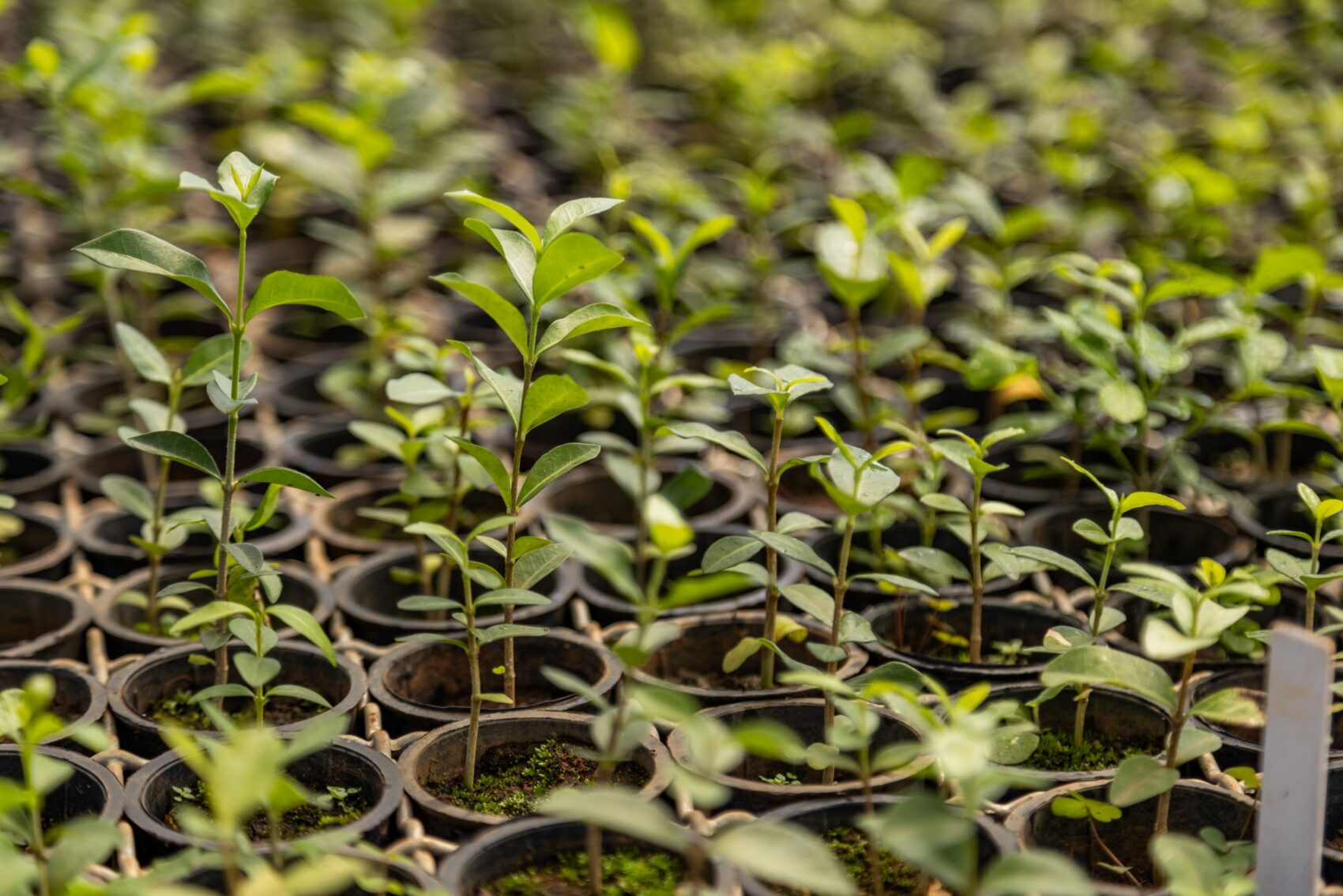
    In the Americas, projects were characterised by environmental restoration and discharge reduction. The Cuiabá complex in Brazil successfully advanced its ‘Calcinados’ project to separate clean water from tailings, while simultaneously executing a landscape restoration initiative that included planting over 40,000 seedlings and providing environmental education to over 8,500 local residents. Meanwhile, Cerro Vanguardia in Argentina reinforced community trust through its participatory water monitoring programme, while implementing water recirculation in diamond drilling that yielded significant reductions in both water and diesel consumption.

    This year’s progress moved projects closer to attaining their goal(s) expected by 2026, but by combining technical innovation with stakeholder inclusivity, we have already seen improvements in our operational water metrics and have contributed meaningfully to the health and sustainability of the water catchments we share.

    Cumulative water withdrawals for 2025 totalled 35,992ML (2024: 26,424ML), 36% higher than the previous year. The inclusion of Sukari into the portfolio accounted for the majority (29%) of this increase, with the balance (7%) spread amongst operations in Latin America and Australia.

    Group water withdrawal intensity increased 0.6% to 668L/tonne treated, from 632L/ tonne in 2024. This was ascribed to increased throughput in LATAM operations, including at the restarted Queiroz Process Plant in Brazil and vastly reduced rainfall in Australia (compared to 2024), necessitating increased imports of hyper-saline water.

    Water withdrawal by location (ML)
    Percentage of sites by stress category

    Source: WRI Aqueduct Water Risk Atlas, based on Unimproved/ No drinking water metric and calibrated with local site knowledge.

    • Ensuring water security and stewardship
    • Ensuring safety, health and overall wellbeing of employees and communities
    • Securing and maintaining regulatory compliance, including environmental licences and permits

    For more information on principal risks see the 2025 Annual Report

    • Failure to maintain social licence to operate
    • Failure to maintain sufficient resilience to external financial drivers
    • GRI 303-1: Interactions with water as a shared resource
    • GRI 303-3: Water withdrawal
    • GRI 303-4: Water discharge
    • GRI 303-5: Water consumption
    • GRI 14.7: Water and effluents
    • SASB EM-MM-140a.1: (1) Total water withdrawn, (2) total water consumed; percentage of each in regions with High or Extremely High Baseline Water Stress
    • ICMM SERF Indicator 8: Capacity and institution support
    • ICMM Responsible Mining Principle 6: Environmental performance: Pursue continual improvement in environmental performance issues, such as water stewardship, energy use and climate change.
    • WGC Responsible Gold Mining Principle 10: Water, energy and climate change: We will improve the efficiency of our use of water and energy, recognising that the impacts of climate change and water constraints may increasingly become a threat to the locations where we work and a risk to our licence to operate.
    RA | Water consumption (megalitres)

    (2024: 40,170)

    Water intensity (kilolitres per tonne treated)

    (2024: 0.63)

    RA | Water withdrawal (megalitres)

    (2024: 26,424)

    RA | Water withdrawal (ML)
    RA | Volume of water reused (megalitres)

    (2024: 111,999*)

    * Reported volume for 2024 revised

    RA | Water discharged to surface water systems (megalitres)

    (2024: 6,066)

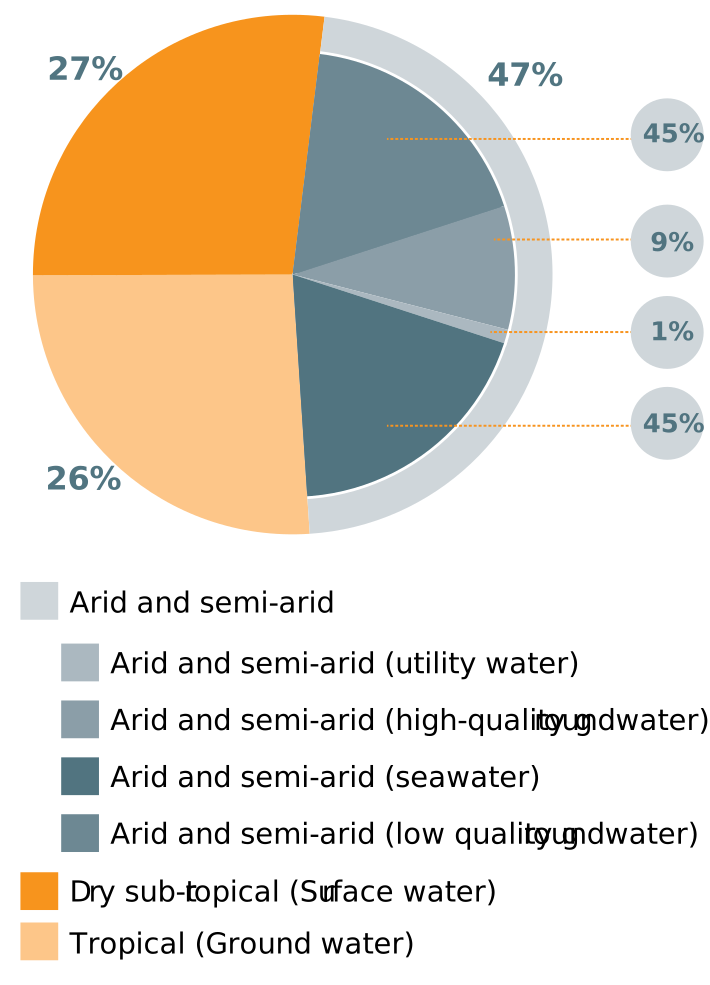
    Water sources by climatic type (%)

    (2024: 13,326ML)

    (2024: 13,073ML)

    (2024: 0ML)

    (2024: 25ML)

    (2024: 19,832ML)

    (dewatering and other environmental flows)

    (2024: 111,999ML)*


    (2024: 40,779ML)

    (via evaporation, entrainment
    and other task losses)

    (2024: 6,066ML)

    (to surface water)

    (to surface water)

    RA | Reasonable Assurance for all figures

    Looking ahead

    • Completion of 2025/2026 water stewardship projects to ensure goals are realised and gains are sustained
    • Exploring development of unique context-based water metrics for operational assets
    • Integrating final CMSI requirements into an updated AngloGold Ashanti Water Management Standard
  • Climate action and pursuing resilience

    Climate action and pursuing resilience

    Our commitment

    We recognise the substantial and increasing risks climate change poses to the global economy and socio-economic development, and are committed to minimising current and future climate risks.

    Our goal is to achieve net zero Scope 1 and Scope 2 greenhouse gas (GHG) emissions by 2050, with a parallel focus on strengthening climate resilience across our business, value chain, host communities, and operational environments.

    • Updating climate change-related physical risk assessments at all operations to confirm risk and assess required changes (the previous Group-wide assessment was completed in 2021)
    • Promoting technological and operational improvements in large mine haulage fleets as we seek ways to replace traditional diesel-driven equipment
    • Advancing value chain partnerships that will reduce our Scope 3 GHG emissions
    • Extending transmission line to replace the diesel generation at Star & Comet and Nyamulilima

    Performance in 2025

    AngloGold Ashanti is committed to improving how we manage climate-related risks and opportunities to foster and promote business resiliency, accountability and stakeholder value.

    We have implemented numerous initiatives to reduce our GHG emissions by installing new technology, reducing power consumption and improving energy efficiency. We have also made certain voluntary commitments, including working towards our GHG emissions reduction targets.

    United Nations agency, the World Meteorological Organization (WMO), verified that 2024 was the hottest year on record. Rising temperatures, changing rainfall patterns, flooding, drought and severe weather conditions believed to be caused or exacerbated by climate change remain growing concerns for businesses, investors, broader society and governments.

    This has led to increased pressure on companies, including those in the mining sector, to reduce GHG emissions consistent with national commitments made by numerous countries under the Paris Agreement; to promote responsible corporate practices, including the mitigation of climate-related risks; and to increase transparency about the risks and opportunities of transitioning to a low carbon economy.

    Our goal is to achieve net zero Scope 1 and Scope 2 GHG emissions by 2050. Additionally, in partnership with targeted suppliers, AngloGold Ashanti expects to continue to work on Scope 3 GHG emissions accounting and to explore opportunities, where feasible, to address material Scope 3 GHG emissions.

    GHG Protocol Category 2025 2024 2023 2022 2021
    Purchased Goods and Services 706,748 455,263 495,222 524,369 479,681
    Capital Goods 21,455 8,882 13,876 11,981 384
    Fuel and Energy Related activities 358,815 277,010 240,425 242,647 260,532
    Upstream Transportation and Distribution 52,911 36,552 36,541 36,748 29,493
    Waste Generated in Operations 7,971 6,062 5,019 4,220 4,567
    Business Travel 30,282 14,454 6,848 5,037 1,453
    Employee Commuting 31,361 29,898 25,486 24,681 23,141
    Upstream Leased Assets N/A N/A N/A N/A N/A
    Downstream Transportation and Distribution 344 16,159 24,389 4,934 8,033
    Processing of Sold Products 4,300 3,747 4,669 786 689
    Use of Sold Products N/A N/A N/A N/A N/A
    End of Life Treatment of Sold Products N/A N/A N/A N/A N/A
    Downstream Leased Assets N/A N/A N/A N/A N/A
    Franchises N/A N/A N/A N/A N/A
    Investments 71,100 N/A N/A N/A N/A
    Estimated Group Total 1,285,288 848,027 852,475 855,403 807,973

    Note: Upstream emissions exclude non significant Goods and Services (Category 1 of the GHG Protocol). GHG Protocol Categories 8 and 11-14, are not applicable to AngloGold Ashanti’s managed operations. 2025 Business Travel (Category 6) includes global footprint, on a spend basis. Category 15 (Investments) includes AGA’s proportional 45% equity share of emissions from the Barrick-operated Kibali Gold Mine. Due to reporting period timing differences, the estimate is based on Kibali’s 2024 reported emissions (totaling 158kt CO2e). This is a new inclusion for the current reporting year. Downstream emissions for 2023 and 2024 included gold concentrate transport and offshore shipping for Brazil. Sukari mine included in AngloGold Ashanti’s Scope 3 estimate from 2025, comprising approximately 28% of AGA’s Scope 3 emissions. Differences in totals due to rounding.

    We announced an interim target to achieve a 30% reduction in its absolute Scope 1 and 2 GHG emissions by 2030, as compared to a 2021 baseline, through a combination of renewable energy projects, fleet electrification, loweremission power sources and alternative fuels.

    However, following the acquisition of Centamin in late 2024, and in accordance with Greenhouse Gas (GHG) Protocol, we have adjusted our 2021 decarbonisation baseline to reflect our larger global portfolio. Our original 2021 Scope 1 and 2 baseline of 1.383 million tonnes of GHG emissions equivalent has been restated to 1.861 million tonnes of GHG emissions, incorporating 0.478 million tonnes of GHG emissions attributed to Sukari mine. By maintaining our 2030 reduction percentage targets against this restated baseline, our absolute commitment for 2030 has been adjusted to 1.303 million tonnes of GHG emissions. The Serra Grande operation was included in this 2021 baseline restatement to maintain historical portfolio consistency. The asset was successfully divested in November 2025 and as a result, Serra Grande’s contributions are reflected in our 2025 performance data. A subsequent baseline adjustment will be performed during 2026 to remove Serra Grande’s historical emissions.

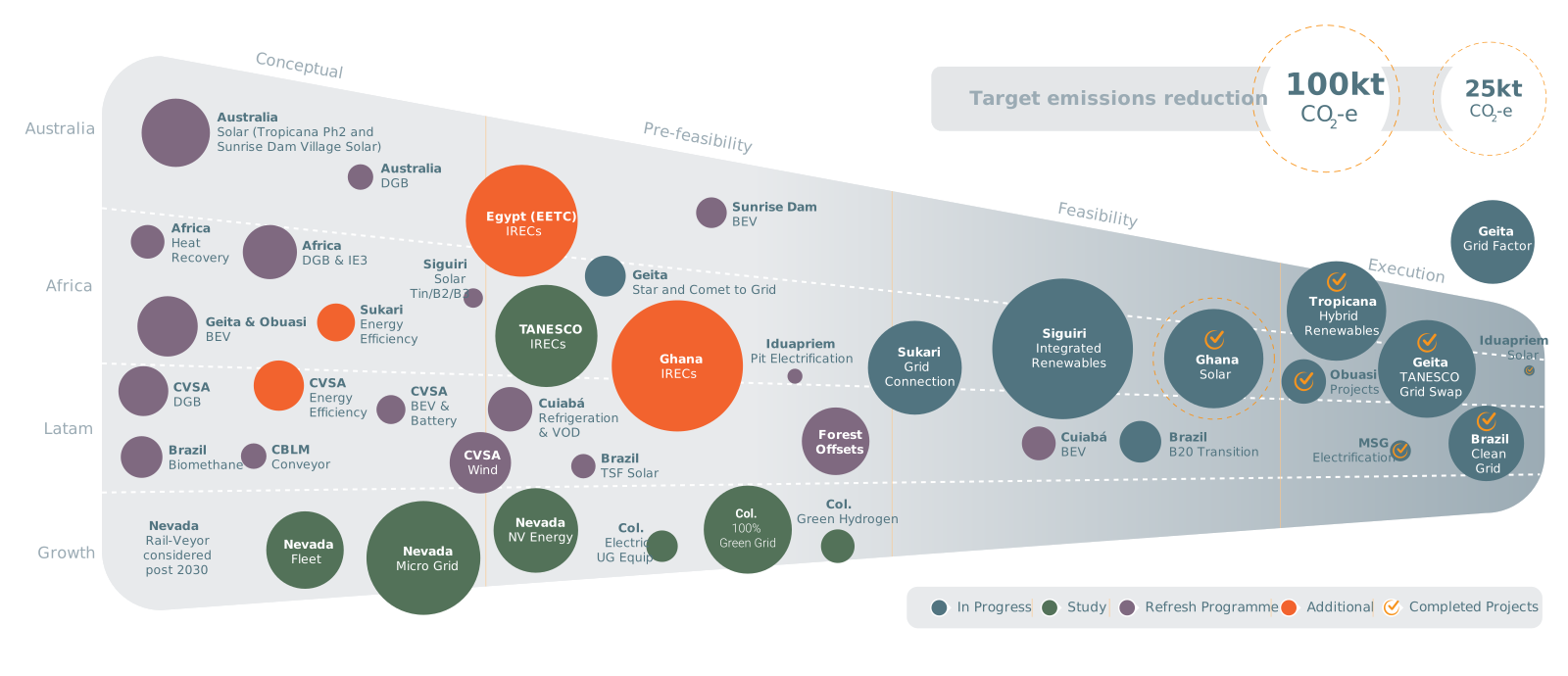
    This rebaselining ensures that our decarbonisation progress remains measurable and representative of our current operational footprint, reinforcing our accountability as we integrate new assets into our Group-wide net zero pathway. When growth projects are factored in, including those in Nevada and Colombia, AngloGold Ashanti is targeting a 35% reduction in emissions through to 2030. We are working with our sites to evaluate emission reduction opportunities and initiatives. However, many of these potential GHG abatement initiatives are currently in either pre-feasibility or feasibility stage.

    In 2025, our absolute Scope 1 and Scope 2 GHG emissions totalled 1.806Mt (2024: 1.473Mt ) with our African operations being our largest contributors. Our performance was impacted by the inclusion of Sukari and by increases in Australia’s diesel-related emissions, caused by production related increases.

    This was offset by emission reduction from decarbonisation projects at Geita and Tropicana approaching 94.5kt CO2e year-on-year. GHG emission intensity was 4.83% lower year-on-year, at 33.50tCO2e/t of ore treated (2024: 35.2tCO2e/t of ore treated).

    At AngloGold Ashanti, climate change is a Board-level governance issue, overseen primarily by the SES Committee and the Audit and Risk Committee, which oversees assurance. Our Climate Change Strategy, which was approved in 2021, seeks to embed the management of physical, regulatory and transition climate change-related risks, as well as climate change-related opportunities, into the Company’s strategic and operational planning processes.

    We continue to gain momentum, adding new initiatives to our pipeline of decarbonisation projects which underpins our roadmap to deliver on our 2030 commitment

    Increasing global demand for energy, concerns about nuclear power and the limited growth of new supply are impacting the price and supply of energy. Already there have been increased demands and hints of constrained supply which have resulted in sharply escalating oil and energy prices.

    AngloGold Ashanti continues to invest in a combination of renewable energy projects and initiatives to use lower emission power sources and improve energy efficiency.

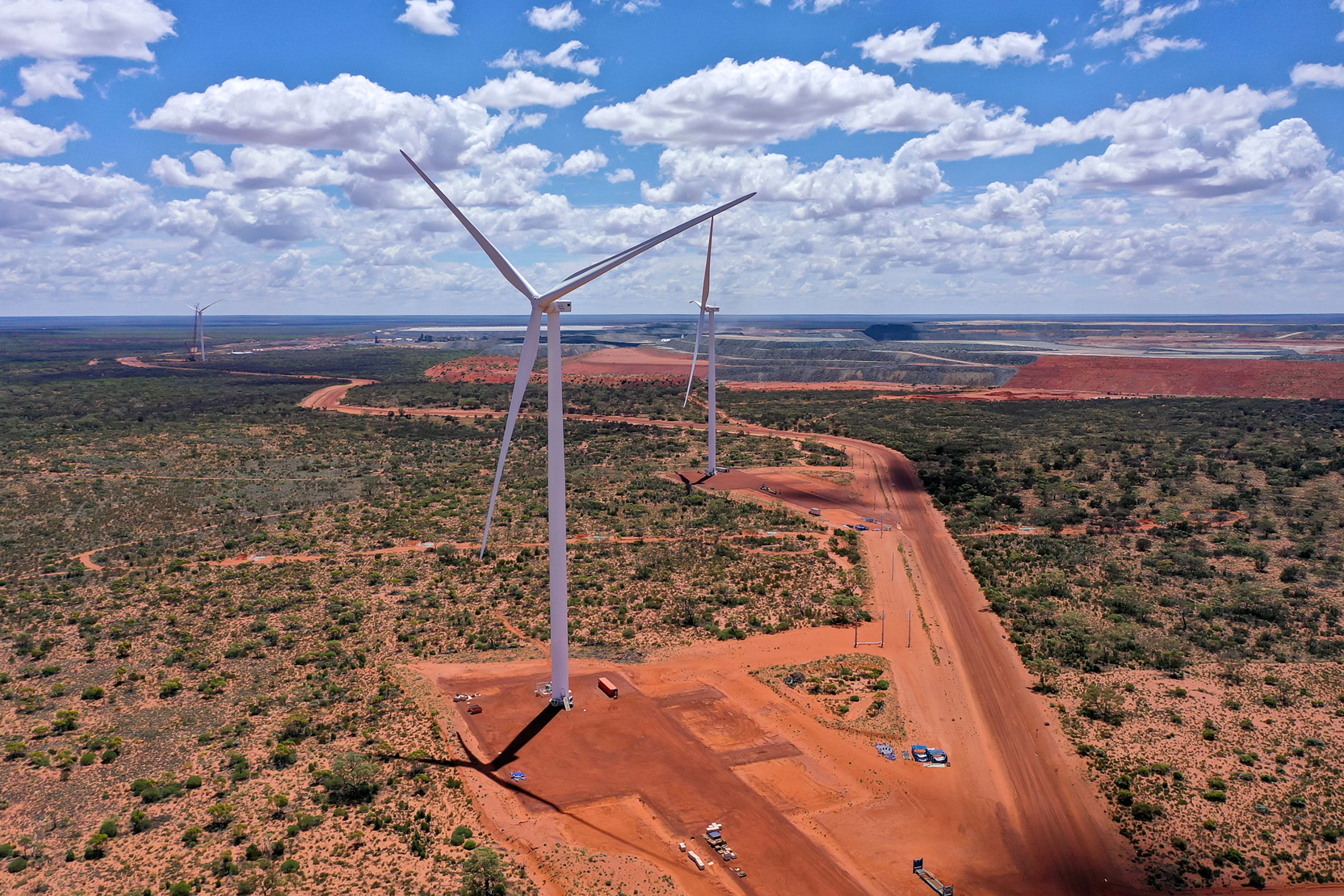
    Our first renewable energy project at Tropicana was completed in February 2025. Integrating 61MW of clean energy into Tropicana’s existing diesel-and gas-powered system, the project involved the construction of four 6MW wind turbines, a 24MW solar farm and a 13MW battery storage system. The facility, one of Australia’s largest off-grid hybrid power systems, will significantly reduce Tropicana’s diesel and gas consumption for power generation and is expected to reduce the site’s GHG emissions by an average of 65,000t annually over 10 years.

    At Geita, the performance of the grid connection was significantly enhanced in 2025 by the fasttracked commissioning of the Julius Nyerere Hydropower Plant. This infrastructure milestone shifted the national generation mix to 65.35% hydropower (45.2%: 2024), while the thermal component was reduced to 34.24%, of which 92% is derived from lower-emission natural gas. This increased availability of renewable energy contributed an additional 23,000t in elevating the project’s total annual emissions reduction to 72,000t. Critically, this strategic shift is currently displacing approximately 80% of Geita’s diesel consumption for power, demonstrating the immediate impact of aligning our operations with cleaner national infrastructure.

    In Brazil, our operations continue to benefit from a net zero power profile through the annual certification of International Renewable Energy Certificates (iRECs), ensuring our grid-sourced electricity remains carbon neutral. To address residual fleet-related emissions, the region successfully piloted a 14t Epiroc Battery Electric Vehicle (BEV) in 2025. This trial confirms a viable electrification pathway for our underground fleet and marks a critical step toward transitioning our Brazilian assets into fully net zero operations. By pairing a carbon-neutral grid with the systematic displacement of diesel-powered machinery, Brazil remains at the forefront of our global decarbonisation strategy.

    AngloGold Ashanti’s energy consumption was 27.69 petajoules (2024: 22.45 petajoules or 29.57 petajoules including Sukari), 6.36% lower year-on-year based on the 2024 value with Sukari included and the annual carbon intensity of our total energy mix at 65.22kg/GJ (2024: 65.59kg/ GJ) of CO2e per GJ of energy consumed, was 0.56% below the figure at the end of last year. This is lower than the gold industry peer group average of 86.46kgCO2e per GJ of energy, that we track at a one-year stagger (2023: 80.43kg/ GJ).

    With the physical effects of climate change manifesting at a global scale, the frequency of extreme weather events in many of our mining regions is under increased scrutiny. This has helped improve site level awareness of predicted weather related impacts on mining infrastructure, workforce, surrounding ecosystems and host communities.

    Climate change risks encompass changes in rainfall rates or patterns resulting in floods or droughts, reduced water availability, higher temperatures and extreme weather events. Such conditions could disrupt mining and transport operations, mineral processing and rehabilitation efforts, as well as increase on site health and safety risks.

    Next generation climate model forecasts (three scenarios) for all our operations and major project sites were commissioned. These will be used during 2026 to review our existing climate adaptation plans.

    Our operations have implemented site-specific programmes to enhance the resilience of local communities. These programmes cover awareness raising and adaptive business projects. Considerable contributions to strengthening community safety and health resilience have been achieved, including through partnering with international, local governmental, and community agents.

    Looking ahead

    We are advancing several key initiatives to further scale our global climate response. In Guinea, we have entered advanced contractual stages to progress a 40MW solar PV plant at our Siguiri mine.

    Simultaneously, following the acquisition of assets in Egypt, we are exploring a potential 80MW grid connection at Sukari to transition the site toward a lower-carbon energy mix.

    Beyond operational energy shifts, we are reviewing the environmental impact of our extensive landholdings in Brazil to understand its carbon potential. These diverse projects underscore our commitment to using both technology-driven and nature-based solutions to meet our long-term climate targets.

    • Energy security, decarbonisation, climate resilience and adaptation
    • Preparing for and effectively managing risk and emergencies to minimise impacts on people and operations
    • Securing and maintaining regulatory compliance, including environmental licences and permits

    For more information on principal risks see the 2025 Annual Report

    • Adverse regulatory changes (mining rights, fiscal)
    • Failure to maintain integrity of tailings storage facilities
    • Failure to maintain social licence to operate
    • Failure to maintain sufficient resilience to external financial drivers
    • GRI 302-1: Energy consumption within the organization
    • GRI 302-4: Reduction of energy consumption
    • GRI 302-5: Reductions in energy requirements of products and services
    • GRI 305-1: Direct (Scope 1) GHG emissions
    • GRI 305-2: Energy indirect (Scope 2) GHG emissions
    • GRI 305-3: Other indirect (Scope 3) GHG emissions
    • GRI 305-4: GHG emissions intensity
    • GRI 305-5: Reduction of GHG emissions
    • GRI 305-6: Emissions of ozone-depleting substances (ODS)
    • GRI 14.2: Climate adaptation and resilience
    • SASB EM-MM-110a.1: Gross global Scope 1 emissions, percentage covered under emissions limiting regulations
    • SASB EM-MM-110a.2: Discussion of long- and short-term strategy or plan to manage Scope 1 emissions, emissions reduction targets, and an analysis of performance against those targets
    • SASB EM-MM-130a.1: (1) Total energy consumed, (2) percentage grid electricity and (3) percentage renewable
    • ICMM Responsible Mining Principle 6: Environmental performance: Pursue continual improvement in environmental performance issues, such as water stewardship, energy use and climate change.
    • WGC Responsible Gold Mining Principle 10: Water, energy and climate change: We will improve the efficiency of our use of water and energy, recognising that the impacts of climate change and water constraints may increasingly become a threat to the locations where we work and a risk to our licence to operate.
    RA | Energy intensity (gigajoules per tonne treated)
    RA | Energy consumption (petajoules)
    GHG emissions intensity (kilograms of GHG per tonne treated)
    RA | Scope 1 & 2 GHG emissions (Thousand tonnes)
    Energy mix carbon intensity (kg of CO2e per GJ)

    For illustrative purposes, we have provided a view of our portfolio with and without Sukari to demonstrate the comparative impact on AGA’s emission metrics.

    The portfolio view excluding Sukari and bars displayed without numerical values are presented for comparative purposes and fall outside the scope of assurance. The charts illustrate the effect of Sukari on absolute emissions, energy consumption and intensity indicators, with bars labelled ‘Includes Sukari’ and ‘Excludes Sukari’ highlighting the magnitude of Sukari’s impact on our global portfolio.

    .

  • Responsible tailings management

    Responsible tailings management

    This residue is usually composed of finely milled ore, water and trace quantities of metals and additives used in processing. While some tailings residue may be placed as backfill (that is, returned to the excavated area underground in carefully contained paddocks), most residue is deposited in surface tailings storage facilities (TSFs).

    AngloGold Ashanti has developed a comprehensive and holistic approach to tailings management and remains committed to the industry’s transformative improvements in tailings governance, accountability and transparency.

    We seek to comply with local and international tailings management standards and best practice, including the GISTM.

    Tailings management system helps ensure that risks related to TSFs are identified, recorded and mitigated.

    Mitigation measures and performance are tracked and communicated at all levels in the business, and our Board and Executive members are kept informed of the status of our TSFs through regular reporting.

    Governance structures ensure resources and actions are in place to manage TSFs and to comply with legislation and international and industry standards.

    Our commitment

    We are committed to the responsible governance and management of our TSFs throughout their life cycle, from design to closure and post closure.

    As a member of the ICMM, we subscribed to and committed to implementing the GISTM at all our TSFs, achieving substantial conformance by, and issuing a Declaration of Conformance in August Our Statement of Commitment to the GISTM may be found on our website. The GISTM complements our own Tailings Management Framework that sets our principles, standards, guidelines and accountabilities for the construction, management, and oversight of TSFs, and our compliance with national standards and legislation.

    • Continued progress towards achieving full conformance with the GISTM
    • Integration of Sukari mine’s TSFs into our oversight and management systems
    • Continued journey to minimising risk at all facilities to ALARP (as low as reasonably practicable), with priority actions ongoing at Siguiri and Obuasi
    • Continue to target best practice and risk mitigation

    Performance in 2025

    Combining industry best practice and decades of institutional experience, AngloGold Ashanti focuses on the sound management of all phases of the TSF life cycles from planning to closure.

    Our tailings management protocol is guided by our Tailings Management Framework and based on a four-layered assurance system aimed at achieving zero harm to people and the environment.

    AngloGold Ashanti manages 24 TSFs, 13 of which are active, with the remainder in the process of closure or removal by re-mining. Safe closure has also been achieved for several historical TSFs at our operations.

    Our Tailings Management Standard sets the mandatory requirements for the management of TSFs. Adopting a risk-based approach, the standard requires sites to:

    • Identify and document the relevant legislative and regulatory requirements and to review applicable TSF compliance requirements annually
    • Maintain a life-of-mine tailings storage plan that is updated concurrently with the life of mine production plans
    • Develop, implement, and maintain integrated plans, procedures, practices, and assign responsibilities covering the design, approvals, construction, operation, and closure of TSFs
    • Define and document the responsibilities of all employees and contractors involved with tailings management and validate that they are authorised and competent to conduct their work effectively
    • Collect, monitor and analyse data to assess the stability and integrity of each TSF and update stability analyses annually
    • Develop site-specific closure criteria and closure plans for each TSF
    • Prepare and document detailed emergency preparedness and response plans for potential TSF failures as well as carry out annual testing of the TSF emergency response plan

    The careful management and monitoring of TSFs using a four-tiered assurance system has allowed us to maintain a strong track record in managing an international portfolio of different types of TSFs. Importantly, TSF management is overseen by the Board via the SES Committee and Executive Committee.

    Responsibilities of teams as per our four-layered assurance system

    • TSF operator/superintendent manages the day-to-day operation
    • Plant or process manager considered ‘owner’ of TSF and is responsible for implementing requirements of the TSF operating manual
    • Provides technical guidance to operations
    • Conducts quarterly inspections of active TSFs
    • Monitors implementation of recommended actions
    • Custodian of Tailings Management Framework
    • Conducts formal TSF audits annually or biennially
    • TSF review for projects and for mergers and acquisitions
    • Independently reviews tailings facility as per the GISTM

    Information relating to the status of each of our TSFs and our conformance to the GISTM is disclosed on our website

    AngloGold Ashanti supports and is committed to achieving full conformance with of the GISTM, the global benchmark for achieving strong social, environmental and technical outcomes by elevating accountability to the highest organisational levels.

    With the ultimate goal of zero harm to people and the environment, the standard strengthens tailings facility life cycle practices — from site selection, design and construction, through management and monitoring, to closure and post-closure — adding requirements for independent oversight, transparency and public disclosure.

    We have made significant progress toward full conformance to the GISTM’s principles and are able to report substantial conformance as indicated in the table below.

    The GISTM complements our own Tailings Management Framework that sets our principles, standards, guidelines and accountabilities for the construction, management, and oversight of TSFs, and our compliance with national standards and legislation.

    Since the GISTM was finalised in 2020, we have developed a conformance protocol to meet the standard’s 77 requirements. These conformance efforts have strengthened our internal tailings governance structures and systems.

    We have appointed External Engineers of Record and Independent Tailings Review Boards at all our operations, embraced new technologies and processes and undertaken additional precautionary measures to reduce risk and meet regulatory and other requirements.

    Detailed information relating to each of our tailings facilities and progress summaries for each of our TSFs are published on our website.

    • Ensuring the safety and integrity of tailings storage facilities
    • Securing and maintaining regulatory compliance, including environmental licences and permits
    • Preparing for and managing risk and emergencies to minimise impacts on people and operations
    • Ensuring water security and stewardship
    • Managing nature and biodiversity, including land use, rehabilitation and responsible closure

    For more information on principal risks see the 2025 Annual Report

    • Failure to maintain integrity of tailings storage facilities
    • Failure to maintain social licence to operate
    • Failure to maintain sufficient resilience to
      external financial drivers
    • GRI 14.6.1: Compliance with international standards on tailings management
    • GRI 14.6.2: Tailings disposal methods
    • SASB EM-MM-150a.5: Total weight of tailings produced
    • SASB EM-MM-540a.1: Tailings storage facility inventory table
    • SASB EM-MM-540a.2: Tailings management systems and governance structure used to monitor and maintain the stability of TSFs
    • SASB EM-MM-540a.3: Approach to emergency preparedness and response plans for TSFs
    • ICMM Mining Principle 6-6.3: Environmental performance: Design, construct, operate, monitor and decommission tailings disposal/ storage facilities using comprehensive, riskbased management and governance practices.
    • WGC Responsible Gold Mining Principle 8: Environmental stewardship: We will ensure that environmental responsibility is at the core of how we work.
            PRINCIPLES
    Country Operation TSF GISTM Classification 1 2 3 4 5 6 7 8 9 10 11 12 13 14 15
    Australia Sunrise Dam CTD High Meet Meet Meet Meet Meet Meet Meet Meet Meet Meet Meet Meet Meet Meet Meet
    Australia Sunrise Dam TSF 1 Significant Meet Meet Meet Meet Meet Meet Meet Meet Meet Meet Meet Meet Meet Meet Meet
    Australia Tropicana Tropicana Very High Meet Meet Meet Meet Meet Meet Meet Meet Meet Partial Meet Meet Meet Meet Meet
    Egypt Sukari TSF 1 Very High Meet Meet Meet Meet Meet Meet Meet Meet Meet Meet Meet Meet Meet Meet Meet
    Egypt Sukari TSF 2 Significant Meet Meet Meet Meet Meet Meet Meet Meet Meet Meet Meet Meet Meet Meet Meet
    Tanzania Tanzania Geita Extreme Meet Meet Meet Meet Partial Meet Meet Meet Meet Meet Meet Meet Partial Meet Meet
    Tanzania Tanzania Old Low Meet Meet Meet Meet Partial Meet Meet Meet Meet Meet Meet Meet Partial Meet Meet
    Guinea Guinea Siguiri Extreme Meet Partial Meet Partial Partial Meet Partial Meet Meet Partial Meet Meet Partial Meet Meet
    Ghana Iduapriem GTSF Very High Meet Meet Meet Meet Meet Meet Meet Meet Meet Meet Meet Meet Partial Meet Meet
    Ghana Iduapriem OTSF | ITSF Very High Meet Partial Meet Partial Partial Meet Partial Meet Meet Partial Meet Meet Partial Meet Meet
    Ghana Iduapriem BTSF High Meet Meet Meet Meet Meet Meet Meet Meet Meet Meet Meet Meet Partial Meet Meet
    Ghana Obuasi Pompora Extreme Meet Partial Meet Partial Partial Meet Partial Meet Meet Partial Meet Meet Partial Meet Meet
    Ghana Obuasi Kokotesua Extreme Meet Partial Meet Partial Partial Meet Partial Meet Meet Partial Meet Meet Partial Meet Meet
    Ghana Obuasi STSF Very High Meet Partial Meet Partial Partial Meet Meet Meet Meet Partial Meet Meet Partial Meet Meet
    Ghana Obuasi Biox High Meet Meet Meet Meet Meet Meet Meet Meet Meet Meet Meet Meet Partial Meet Meet
    Argentina CVSA Diq. Colas High Meet Meet Meet Meet Meet Meet Meet Meet Meet Meet Meet Meet Meet Meet Meet
    Brazil CDS CDS 2 Extreme Meet Meet Meet Meet Meet Meet Meet Meet Meet Meet Meet Meet Meet Meet Meet
    Brazil CDS Pilha Sape Very High Meet Meet Meet Partial Meet Meet Meet Meet Meet Meet Meet Meet Partial Meet Meet
    Brazil CDS Grota 1 Low Meet Meet Meet Partial Partial Meet Partial Meet Meet Partial Meet Meet Partial Meet Meet
    Brazil Cuiaba Cuiaba Extreme Meet Meet Meet Meet Meet Meet Meet Meet Meet Meet Meet Meet Meet Meet Meet
    Brazil Cuiaba Open Pit CB High Meet Meet Meet Partial Partial Meet Partial Meet Meet Partial Meet Meet Partial Meet Meet
    Brazil Queiroz Calcinados Extreme Meet Meet Meet Meet Meet Meet Meet Meet Meet Meet Meet Meet Meet Meet Meet
    Brazil Queiroz Cocoruto Extreme Meet Meet Meet Meet Meet Meet Meet Meet Meet Meet Meet Meet Meet Meet Meet
    Brazil Queiroz Rapaunha Extreme Meet Meet Meet Meet Meet Meet Meet Meet Meet Meet Meet Meet Meet Meet Meet

    * As at 5 August 2025 (updates forthcoming in June and Dec 2026)

    • Meets
    • Partially Meets (Work in progress to achieve conformance)
    • Does Not Meet
    • CDS = Córrego do Sítio
    • TSF = Tailings Storage Facility
    • BTSF = Beposo TSF
    • GTSF = Greenfields TSF
    • OTSF | ITSF = Old TSF / Interim TSF
    • STSF = South TSF
    • Principle 1: Respect the rights of project-affected people and meaningfully engage them at all phases of the tailings facility lifecycle, including closure.
    • Principle 2: Develop and maintain an interdisciplinary knowledge base to support safe tailings management throughout the tailings facility lifecycle, including closure.
    • Principle 3: Use all elements of the knowledge base – social, environmental, local economic and technical – to inform decisions throughout the tailings facility lifecycle, including closure.
    • Principle 4: Develop plans and design criteria for the tailings facility to minimise risk for all phases of its lifecycle, including closure and post closure.
    • Principle 5: Develop a robust design that integrates the knowledge base and minimises the risk of failure to people and the environment for all phases of the tailings facility lifecycle, including closure and post-closure.
    • Principle 6: Plan, build and operate the tailings facility to manage risk at all phases of the tailings facility lifecycle, including closure and post-closure.
    • Principle 7: Design, implement and operate monitoring systems to manage risk at all phases of the facility lifecycle, including closure.
    • Principle 8: Establish policies, systems and accountabilities to support the safety and integrity of the tailings facility.
    • Principle 9: Appoint and empower an Engineer of Record.
    • Principle 10: Establish and implement levels of review as part of a strong quality and risk management system for all phases of the tailings facility lifecycle, including closure.
    • Principle 11: Develop an organisational culture that promotes learning, communication and early problem recognition.
    • Principle 12: Establish a process for reporting and addressing concerns and implement whistleblower protections.
    • Principle 13: Prepare for emergency response to tailings facility failures.
    • Principle 14: Prepare for long-term recovery in the event of catastrophic failure.
    • Principle 15: Publicly disclose and provide access to information about the tailings facility to support public accountability.

    The Ghana Minerals Commissions granted approval for the Obuasi mine to commence construction of its new Dokyiwa Flotation Tailings Storage Facility. The Ghana EPA also renewed the environmental permits for the Obuasi Redevelopment Project, BIOX TSF and water infrastructure projects.

    The EPA is conducting a year-long study at Binsere to assess the extent of environmental and health impacts of the BIOX TSF on the community. Expected to conclude during 2026, the EPA has already determined that community members living within 100m of the facility are too close and directed that they be relocated for their safety.

    Obuasi will develop a resettlement plan for residents within the 100m buffer zone and, in collaboration with community leaders and the Municipal Assembly, will enforce a ‘No Development’ area within the 100m buffer zone. Drone footage of the area will highlight community assets within the buffer zone and serve as a reference for determining compensation.

    Following the Tanzanian Ministry of Water’s concern about evaporator trials for managing excess process water from the Geita TSF, a multi-disciplinary workshop involving the National Environmental Management Council, the Ministry of Water and the Tanzania Meteorological Authority was convened. This led to in-principle approval for a six-month trial, subject to the formality of a justification note seeking approval from the Chief Inspector of Mines. On conclusion of the trial, Geita will submit a technical report detailing the key findings and the system’s performance. If proceeding with a permanent installation, the mine would have to undertake a full EIA.

    Designs are in progress for a new TSF at Siguiri. This will allow the transition and closure of the existing TSF. Work on this is expected to be executed over the 2026—2028 period.

    Looking ahead

    Focus areas for 2026 include (but are not limited to):

    • The remediation and closure of TSF 1 at Siguiri, with the design and construction of a new TSF 2
    • The transition from the STSF at Obuasi to the new DTSF, allowing the STSF to enter operational closure
    • Projects to advance the removal and closure of Kokoteasua and Pompora Tailings facilities at Obuasi
    • Continued progress towards achieving full conformance with the GISTM

  • Environmental stewardship

    Environmental stewardship

    We translate these high-level ambitions into action through site-level Environmental Management Systems (EMS) certified to ISO 14001: 2015. Central to our approach is the recognition that every mine operates in a unique setting; our systems are designed to adapt to diverse geological, climatic, and regulatory environments while maintaining strict compliance. Senior operational managers hold accountability for performance, supported by standardised software tools and our internal enterprise risk platform, AuRisk, which provides timely visibility of risk exposure from the site to the enterprise level.

    Our focus on environmental performance begins at the design stage. Capital projects incorporate environmental requirements into the earliest development phases to ensure regulatory and internal compliance. To maintain the integrity of this framework, we conduct regular assurance via rotational audits and project stage-gate
    reviews.

    Through our engagement with the CMSI Industry Advisory Group, we are positioned to evolve our internal standards in line with this emerging unified global standard, ensuring our environmental governance remains robust and current.

    Our commitment

    We prioritise the avoidance, minimisation and mitigation of our environmental impacts. Our operations proactively manage risks to air, land, biodiversity and water resources across the full mining life cycle, ensuring responsible closure.

    We are committed to compliance with host country regulatory obligations and maintaining certification of our environment management systems to the ISO 14001 environmental management standard and with the ICMC. We implement measures to conform with voluntary environment commitments outlined in ICMM’s Position Statements, Performance Expectations and the World Gold Council’s Mining Principles.

    • Focus on integrating Sukari assets
    • Host an in-person environment function workshop to jointly review the evolving global environment landscape, our Company’s performance and identify and prioritise the advancements needed in our supporting frameworks, skills and tools
    • Evaluate current capital, biodiversity and closure projects to support long-term nature objectives
    • Complete the Group-wide biodiversity and nature screening assessment
    • Update our Biodiversity Management Standard using the outcomes of the Groupwide assessment

    Performance in 2025

    We recorded three reportable environmental incidents during the year (2024: one). These occurred at Iduapriem, Siguiri and Obuasi mines respectively. Details of each are outlined in the 2025 ESG Databook. Eleven moderate severity incidents were logged in 2025, compared to eight in 2024. Minor severity incidents equalled 2024, with 223 events being reported.

    Reportable incidents are defined by our incident classification and reporting standard, which sets out how we identify, respond to, and communicate events that impact negatively on the environment or communities.

    In April 2025, we convened a global technical workshop to align our strategic approach to governance and digital systems. Informed by a comprehensive internal survey, we prioritised the harmonisation of key business processes to maximise the efficiency of existing and new global software platforms. Specific priorities include aligning functional risk management to streamline material sustainability risks into our enterprise risk system (AuRisk), enhancing regulatory compliance transparency, and simplifying environmental incident logging, classification and action management.

    We also advanced critical operational themes, defining a roadmap to evolve our Group Standards and Assurance processes to ensure they remain fit for purpose. Key additional technical outcomes included the integration of ‘No Net Loss’ biodiversity principles into mine planning and the advancement of sustainable post-closure water strategies. To sustain these efforts, we proposed essential updates to our ‘Health of Discipline’ framework to guide technical capability development, ensuring we maintain the necessary skills to navigate an increasingly complex global regulatory landscape.

    These initiatives are being sequenced over a two-to- three-year horizon. Execution commenced in 2025 with the successful global launch of the new web-based Environmental Management Applications (EMA) suite, comprising the Environmental Incident Manager and Action Manager. Further EMA tools that will be developed for rollout during 2026, include the Compliance, Audit, and Inspection modules, each underpinned by the globally harmonised business processes established this year.

    We maintain a robust approach to environmental permitting, ensuring all projects align with evolving regulatory frameworks and stakeholder expectations. A primary focus has been the North Bullfrog project in Nevada, where we have advanced critical technical work to ensure a legally sound Environmental Impact Statement (EIS) is completed for the project. We achieved a significant milestone in November 2025 with the formal acceptance of the Groundwater Flow Model for use in the NEPA process, following extensive agency engagement. In parallel, the Administrative Draft EIS was submitted for review in October. The target completion date for the Record of Decision (ROD) is December 2026.

    In Colombia, the Quebradona and La Colosa projects navigated a complex regulatory environment throughout 2025. At Quebradona, evolving land-use designations — specifically regarding agricultural protection and environmental reserves — have temporarily paused our ability to advance key permitting activities. At La Colosa, while our request to formally suspend contractual obligations (force majeure) was declined by the National Mining Agency in October, we remain committed to engaging with the relevant authorities to clarify these overlapping requirements and define a constructive path forward. Encouragingly, the Quebradona project retains a strong social foundation at the local level. Community engagement remains robust, with continued high participation in our social investment and skills training programmes. We also value the ongoing advocacy from regional leadership in Antioquia, who continue to highlight the project’s potential contribution to local economic development. This enduring alignment between our project goals and regional priorities provides a resilient basis for Quebradona’s future once the current regulatory landscape stabilises.

    In Ghana, we continued to advance critical environmental infrastructure through a mature and co-operative regulatory framework. Following approval from the Minerals Commission, construction commenced on the new Dokyiwa Flotation Tailings Storage Facility (DTSF) at Obuasi, accompanied by proactive fauna relocation partnerships with the Wildlife Division and accelerated buffer zone planting to mitigate community impacts. Significantly, after years of exhaustive engagement and technical testing, the Environmental Protection Agency (EPA) granted the permit for the Arsenic Trioxide Treatment and Permanent Disposal Project. This milestone approval resolves a decades-long legacy challenge, enabling the safe, permanent disposal of historical stockpiles and once complete will close a key chapter in our legacy management commitments. The EPA further signalled confidence in our operational stewardship by renewing permits for the broader Obuasi Redevelopment Project and associated water infrastructure.

    In Western Australia, our team successfully navigated a constrained administrative environment to secure essential operational approvals. Despite industry-wide processing delays attributed to regulatory resourcing constraints, proactive engagement with state regulators unlocked pending approvals for key capital projects at Sunrise Dam and Tropicana. These included the Sunrise Dam Wastewater Treatment Plant and critical upgrades at Tropicana, such as the Paste Fill Plant, Gas Power Station expansion, and a Groundwater Licence amendment to enhance tailings seepage recovery. Looking ahead, we are adapting to the Department of Energy, Mines, Industry Regulation and Safety’s new approval framework introduced in September. While this transition may influence timelines for upcoming initiatives like Sunrise Dam’s Pink Lady project, our active engagement aims to minimise disruption during this implementation phase.

    AngloGold Ashanti, along with other ICMM member companies, voluntarily committed to an updated Nature Position Statement in 2024, which contains five overarching objectives that support a nature positive future by 2030.

    In response, we undertook a comprehensive Group-wide Nature Screening Assessment in Focused exclusively on our active mining operations, this study excluded early-stage development projects where surface disturbance remains immaterial. We employed a two-phased methodology aligned with the Taskforce on Nature-related Financial Disclosures (TNFD) LEAP approach:

    • Phase A (Desktop Screening): We used global biodiversity datasets, including the Integrated Biodiversity Assessment Tool (IBAT), Exploring Natural Capital Opportunities, Risks and Exposure (ENCORE), and the World Wildlife Fund (WWF) Biodiversity Risk Filter, to identify potential nature-related dependencies and sensitivities across the portfolio
    • Phase B (Site Validation): We conducted on-site engagements to ground-truth these desktop findings against local ecological realities

    This validation phase proved critical, revealing that global mapping tools — while valuable for high-level screening — can sometimes misrepresent biodiversity value in understudied or dryland environments. For example, at Tropicana, site-specific verification confirmed the presence of species new to science or with distribution ranges not yet captured in global datasets, highlighting risks that a purely desktop exercise would have missed.

    Our on-site validation also highlighted the complex challenge of managing biodiversity within shared, socio-economically active landscapes, particularly across our African operations. In Ghana and Tanzania, external pressures including rapid urbanisation, agricultural expansion, ASM and illegal mining have, and continue to, actively alter ecosystem integrity outside our operational footprints.

    Furthermore, our ability to secure long-term conservation outcomes is influenced by regional land tenure systems. In these jurisdictions, where we operate under time-bound mining leases rather than holding freehold title, we cannot unilaterally set aside land for permanent conservation. Consequently, our strategy for achieving ‘No Net Loss’ in these settings will require us to seek collaboration with government agencies, conservation partners and/or our peers, to support protected areas while promoting alternative livelihoods that reduce community dependency on natural resources.

    Based on this hybrid assessment of ecosystem integrity, protected area proximity, and physical water risks, we have confirmed the following operations as priority locations requiring focused management strategies:

    • Brazil: AGA Mineração
    • Ghana: Iduapriem and Obuasi
    • Tanzania: Geita

    The strategic value of this assessment extends beyond these priority assets. We are using the findings to inform a consolidated ‘Nature Strategy Roadmap’ that will standardise our approach to Critical Habitat, Residual Impact Assessments and an AngloGold Ashanti Metrics Framework. This provides a blueprint for defining credible pathways to ‘No Net Loss’ by mine closure at our non-priority sites as well, ensuring a consistent, nature-positive standard across our entire operating portfolio.

    In parallel, mine-wide biodiversity status study undertaken at Obuasi reported an ~31% net gain in medium to large mammal diversity over a 10- year period, an ~5% net loss in avifauna diversity and an ~21% net gain observed in amphibian diversity. The report findings will be used to update mine-level biodiversity management, closure and rehabilitation plans.

    At our Nevada projects, we are exploring development of a Conservation Bank strategy to support nature-positive outcomes in the Beatty District. This proposed concept aims to restore currently degraded habitats for sensitive species — such as the Amargosa Toad — potentially establishing a credit-based system to offset AGA’s potential future operational impacts. Following positive initial workshops with federal and state agencies in late 2025, we have moved into the development phase and plan to continue with regulatory and community engagements.

    At Tropicana, our environmental teams are finding ways to balance the benefits of the new renewable energy infrastructure with downside of an increased risk of bird and bat interactions with the new wind turbines. Monitoring frequencies of bird and bat interactions have been increased, with the goal of informing development of a robust, comprehensive, and evidence-based management strategy.

    Looking ahead

    • Progress Phase 2 of the Environmental Management Applications (EMA) including Compliance, Audit and Inspection modules
    • Align AGA’s Environmental Standards with the (final) Consolidated Mining Standard to facilitate implementation
    • Simplify the Group Environmental Assurance Programme, for enhanced focus on material environmental risk
    • Advance key recommendations from the 2025 Nature Screening Assessment
    • Securing and maintaining regulatory compliance, including environmental licences and permits
    • Preparing for and effectively managing risk and emergencies to minimise impacts on people and operations

    For more information on principal risks see the 2025 Annual Report

    • Operational hazards with mass casualty potential
    • Adverse regulatory changes (mining rights, fiscal)
    • Failure to maintain social licence to operate
    • GRI 101: Biodiversity 2024
    • SASB EM-MM-160: Biodiversity Impacts
    • ICMM Responsible Mining Principle 6.4: Environmental performance: Pursue continual improvement in environmental performance issues, such as water stewardship, energy use and climate change.
    • WGC Responsible Gold Mining Principle 8: Environmental stewardship: We will ensure that environmental responsibility is at the core of how we work.
    Environmental incidents (number)*
    Environmental incident rate/Mt mined*

    * all severity levels

    Reportable environmental incidents recorded

    (2024: 1)

    Moderate-severity environmental incidents recorded

    (2024: 8)

    Minor-severity environmental incidents recorded

    (2024: 223)

    Environmental incident rate

    (2024: 1.19)

    Percentage of operating mines are certified to ISO 14001: 2015

    (2024: 100%)

    Percentage of operating mines are ICMC certified

    (2024: 100%)

    Number of species (in our mining regions) on IUCN Red List species and national conservation list species

    (2024: 51)

    Percentage of operations with biodiversity plans

    (2024: 92%)

Disclaimer

This webpage does not purport to be a complete summary of the applicable underlying report and is qualified in its entirety by reference to the applicable underlying report. This webpage should be read in conjunction with the applicable underlying report, including the qualifications and limitations described therein, as there may be information in the applicable underlying report that may be important.

All Mineral Resource and Mineral Reserve information should be read in conjunction with Item 4D. Mineral Resource and Mineral Reserve in AngloGold Ashanti’s annual report on Form-20F for the fiscal year ended 31 December 2025, as filed with the U.S. Securities and Exchange Commission, as well as AngloGold Ashanti’s 2025 Mineral Resource and Mineral Reserve Report.

Forward-looking statements

Certain statements contained in this webpage, other than statements of historical fact, including, without limitation, those concerning the economic outlook for the gold mining industry, expectations regarding gold prices, production, mine life, total cash costs, all-in sustaining costs, cost savings and other operating results, return on equity, productivity improvements, growth prospects, preliminary financial and production metrics for in-process projects, the ability to convert Mineral Resource into Mineral Reserve and replace Mineral Reserves net of depletion from production and outlook of AngloGold Ashanti’s operations, individually or in the aggregate, including the achievement of project milestones, commencement and completion of commercial operations of certain of AngloGold Ashanti’s exploration and production projects and the completion of acquisitions, dispositions or joint venture transactions, AngloGold Ashanti’s liquidity and capital resources and capital expenditures and the outcome and consequences of any potential or pending litigation or regulatory proceedings or environmental, health and safety issues, are forward-looking statements regarding AngloGold Ashanti’s financial reports, operations, economic performance and financial condition.

These forward-looking statements or forecasts are not based on historical facts, but rather reflect our current beliefs and expectations concerning future events and generally may be identified by the use of forward-looking words, phrases and expressions such as “believe”, “expect”, “aim”, “anticipate”, “intend”, “foresee”, “forecast”, “predict”, “project”, “estimate”, “likely”, “may”, “might”, “could”, “should”, “would”, “seek”, “plan”, “scheduled”, “possible”, “continue”, “potential”, “outlook”, “target” or other similar words, phrases, and expressions; provided that the absence thereof does not mean that a statement is not forward-looking. Similarly, statements that describe our objectives, plans or goals are or may be forward-looking statements.

These forward-looking statements or forecasts involve known and unknown risks, uncertainties and other factors that may cause AngloGold Ashanti’s actual results, performance, actions or achievements to differ materially from the anticipated results, performance, actions or achievements expressed or implied in these forward-looking statements. Although AngloGold Ashanti believes that the expectations reflected in such forward-looking statements and forecasts are reasonable, no assurance can be given that such expectations will prove to have been correct. Accordingly, results, performance, actions or achievements could differ materially from those set out in the forward-looking statements as a result of, among other factors, changes in economic, social, political and market conditions, including related to inflation or international conflicts, the success of business and operating initiatives, changes in the regulatory environment and other government actions, including environmental approvals, fluctuations in gold prices and exchange rates, the outcome of pending or future litigation proceedings, any supply chain disruptions, any public health crises, pandemics or epidemics, the failure to maintain effective internal control over financial reporting or effective disclosure controls and procedures, the inability to remediate one or more material weaknesses, or the discovery of additional material weaknesses, in the Company’s internal control over financial reporting, and other business and operational risks and challenges and other factors, including mining accidents. For a discussion of such risk factors, refer to the Company’s annual report on Form 20-F for the financial year ended 31 December 2025, filed with the U.S. Securities Exchange Commission. These factors are not necessarily all of the important factors that could cause AngloGold Ashanti’s actual results, performance, actions or achievements to differ materially from those expressed in any forward-looking statements. Other unknown or unpredictable factors could also have material adverse effects on AngloGold Ashanti’s future results, performance, actions or achievements. Consequently, readers are cautioned not to place undue reliance on forward-looking statements.

AngloGold Ashanti undertakes no obligation to update publicly or release any revisions to these forward-looking statements to reflect events or circumstances after the date of publication or to reflect the occurrence of unanticipated events, except to the extent required by applicable law. All subsequent written or oral forward-looking statements attributable to AngloGold Ashanti or any person acting on its behalf are qualified by the cautionary statements herein.

NON-GAAP financial measures

This document may contain certain “Non-GAAP” financial measures, including, without limitation, “total cash costs”, “total cash costs per ounce”, “all-in sustaining costs”, “all-in sustaining costs per ounce”, “average gold price received per ounce”, “sustaining capital expenditure”, “non-sustaining capital expenditure”, “Adjusted EBITDA”, “Adjusted net debt (cash)”, “operating cash flow” and “free cash flow”. AngloGold Ashanti utilises certain Non-GAAP performance measures and ratios in managing its business. Non-GAAP financial measures should be viewed in addition to, and not as an alternative for, the reported operating results or cash flow from operations or any other measures of performance prepared in accordance with IFRS. In addition, the presentation of these measures may not be comparable to similarly titled measures other companies may use. Reconciliations from IFRS to the Non-GAAP financial measures used in this document can be found either in this document, or in AngloGold Ashanti’s Earnings Release for the three months and the year ended 31 December 2025, which is available on AngloGold Ashanti’s website, or in its annual report on Form 20-F for the financial year ended 31 December 2025 as filed with 
the SEC.

2025 Mineral Resource and Mineral Reserve information

The Mineral Resource and Mineral Reserve stated herein were prepared in compliance with Subpart 1300 of Regulation S-K (17 CFR § 229.1300) (“Regulation S-K 1300”). Refer to Item 1300 (Definitions) of Regulation S-K for the meaning of the terms used in AngloGold Ashanti’s Mineral Resource and Mineral Reserve reporting. The Mineral Resource and Mineral Reserve represent the amount of gold, copper, silver, sulphur and molybdenum estimated at 31 December 2025 and are based on information available at the time of estimation. Such estimates are, or will be, to a large extent, based on the prices of the respective commodities and interpretations of geologic data obtained from drill holes and other exploration techniques, which data may not necessarily be indicative of future results. The Mineral Resource and Mineral Reserve estimates are published at 31 December 2025, taking into account economic assumptions, changes to future production and capital costs, depletion, additions as well as any acquisitions or disposals during 2025. The legal tenure of each material property has been verified to the satisfaction of the accountable Qualified Person and all of the Mineral Reserve has been confirmed to be covered by the required mining permits or there exists a realistic expectation, based on applicable laws and regulations, that issuance of permits or resolution of legal issues necessary for mining and processing at a particular deposit will be accomplished in the ordinary course and in a timeframe consistent with AngloGold Ashanti’s (or its joint venture partners’) current mine plans. For the Mineral Reserve, the term “economically viable” means that profitable extraction or production has been established or analytically demonstrated in, at a minimum, a pre-feasibility study, to be economically viable under reasonable investment and market assumptions. Mineral Reserve is subdivided and reported, in order of increasing geoscientific knowledge and confidence, into Probable and Proven Mineral Reserve categories. Mineral Reserve is aggregated from the Probable and Proven Mineral Reserve categories. Ounces of gold or silver or pounds of copper or sulphur included in the Probable and Proven Mineral Reserve are estimated and reported as delivered to plant (i.e., the point where material is delivered to the processing facility) and exclude losses during metallurgical treatment. In compliance with Regulation S-K 1300, the Mineral Resource herein is reported as exclusive of the Mineral Reserve before dilution and other factors are applied, unless otherwise stated. Mineral Resource is subdivided and reported, in order of increasing geoscientific knowledge and confidence, into Inferred, Indicated and Measured Mineral Resource categories. Ounces of gold or silver or pounds of copper, sulphur or molybdenum included in the Inferred, Indicated and Measured Mineral Resource are those contained in situ prior to losses during extraction and processing. While it would be reasonable to expect that the majority of Inferred Mineral Resource would upgrade to Indicated Mineral Resource with continued exploration, due to the uncertainty of Inferred Mineral Resource, it should not be assumed that such upgrading will always occur.

If estimations must be revised due to significantly lower commodity prices, increases in operating costs, reductions in metallurgical recovery or other factors, the Mineral Resource or Mineral Reserve may not be mined or processed profitably. In addition, material write-downs of AngloGold Ashanti’s investment in its mining properties may be required, including impacts on goodwill, as well as increased amortisation, reclamation and closure charges. If AngloGold Ashanti determines that certain parts of its Mineral Resource or Mineral Reserve have become uneconomic, this may ultimately lead to a reduction in its reported aggregate Mineral Resource or Mineral Reserve, respectively. Consequently, if AngloGold Ashanti’s actual Mineral Resource and Mineral Reserve is less than current estimates, its business, prospects, results of operations and financial position may be materially impaired.

Pre-feasibility and feasibility studies for undeveloped ore bodies present estimated capital expenditure and operating costs based on anticipated tonnage and grades of ore to be mined and processed. Other factors underlying the estimations include, among others, the predicted configuration of the ore body, anticipated metal recovery rates, and estimated costs of operating and processing equipment and facilities. Actual operating and capital expenditure cost and economic returns on projects may differ significantly from original estimates. Further, it may take many years from the initial phases of exploration until commencement of production, during which time, the economic feasibility of production may change. The Mineral Resource is subject to further exploration and development, and is subject to additional risks, and no assurance can be given that they will eventually convert to Mineral Reserve.

For additional information, refer to Table 1 (Summary Mineral Resource) and Table 2 (Summary Mineral Reserve) to Paragraph (b) of Item 1303 (Summary disclosure) of Regulation S-K, which are in AngloGold Ashanti’s annual report on Form 20-F for the financial year ended 
31 December 2025 filed with the SEC. These summary tables include each class of Mineral Resource (Inferred, Indicated and Measured) together with total Measured and Indicated Mineral Resource, and each class of Mineral Reserve (Probable and Proven) together with total Mineral Reserve. The Mineral Resource at the end of the financial year ended 31 December 2025 was estimated using a gold price of $2,000/oz (2024: $1,900/oz), a copper price of $3.50/lb (2024: $3.50/lb), a silver price of $23.00/oz (2024: $23.00/oz) and a molybdenum price of $12.00/lb (2024: $12.00/lb), unless otherwise stated. The Mineral Reserve at the end of the financial year ended 31 December 2025 was estimated using a gold price of $1,700/oz (2024: $1,600/oz), a copper price of $3.10/lb (2024: $2.90/lb) and a silver price of $19.50/oz 
(2024: $19.50/oz), unless otherwise stated. The net difference between the Mineral Resource and Mineral Reserve at the end of the last completed financial year and the preceding financial year will be detailed for material properties, if applicable, in AngloGold Ashanti’s annual report on Form 20-F for the financial year ended 31 December 2025.

The Mineral Resource exclusive of Mineral Reserve is defined as the inclusive Mineral Resource less the Mineral Reserve before dilution and other factors are applied.