This webpage does not purport to be a complete summary of the underlying 2025 Sustainability Report and should be read in conjunction therewith, including the qualifications and limitations described therein, as there may be information in the underlying 2025 Sustainability Report that may be important.
Working to strengthen our social licence to operate
Our sustainability commitments matter. They protect the environment, support communities, reduce risk, and ensure the company remains viable and competitive in a world where responsible mining is non‑negotiable.
Creating value
Revenue
$9.9bn
(2024: $5.8bn)
Gold production
3.09Moz
(2024: 2.66Moz)
Gold Mineral Reserve
36.5Moz
(2024: 31.2Moz)
Empowering people
People employed
38,243▴
employees and contractors on average
(2024: 36,496)▴
Total recordable injury frequency rate (TRIFR)
0.97
(2024: 0.98)
Training and development expenditure
$8.62m
(2024: $7.99m)◊
Salaries, wages and benefits paid to employees
$1,028m
(2024: $796m)
Empowering communities
Community investment
$27.25m
(2024: $20.56m)◊
Expenditure with local suppliers
$5.05bn
(92%)
(2024: $4.26bn (92%))◊
Grievances resolved
96%
(2024: 93%)◊
Caring for the environment
Reportable environmental incidents
3
(2024: 1)◊
Cumulative amount of land rehabilitated
4,231ha
(2024: 4,271ha)
Renewable energy supply
7.8%
(2024: 6.6%)
Scope 1 and Scope 2 greenhouse gas (GHG) emissions
1.806Mt
(2024: 1.473Mt)◊
Ensuring best practice governance
Employees that completed ethics training*
9,582*
(2024: 5,697)◊
Payments to government ∧
$2.62bn
(2024: $1.03bn)◊
Security personnel trained on human rights policies
Maintaining our social licence to operate requires constant effort, humility and discipline. It is work we are committed to doing well, because it is fundamental to the long-term success of AngloGold Ashanti and the societies of which we are a part.
The way we do business matters – perhaps now, more than ever. We are accountable to a host of stakeholders for ethical and responsible conduct and transparent reporting that confirms our commitment to long-term sustainability.
Mining is a complex business and many of our operations are situated at remote sites in complex regions. Our people’s unwavering commitment underpins the strong progress described in this report.
We have identified 17 material sustainability issues that are most significant to the business. While the framing of the issues have changed year-on-year, we do not believe that there have been significant additions or exclusions.
We are cognisant that material sustainability issues change over time (dynamic materiality), and we will continue to monitor the broader range of issues, including emerging issues.
While we have grouped the sustainability
issues identified into related environment,
social, governance and economic topics, we
recognise that these issues are deeply interrelated
and inter-dependent and should be
considered and managed accordingly.
The Company’s double materiality assessment is integrated into the Enterprise Risk Management (ERM) framework ensuring the Company considers a comprehensive view of risks and opportunities that may affect not only its financial outcomes but also its broader societal and environmental responsibilities.
Our 2025 materiality assessment included detailed interviews with key internal and external stakeholders, and considered new and emerging disclosure regulations including GRI and SASB. Extractives and mineral processing are among the first industries scheduled for updated SASB-aligned guidance, with new emphasis expected in areas such as biodiversity, water use, tailings, land disturbance, workforce conditions, closure planning and community impacts. These developments informed our framing of material sustainability issues this year, ensuring that our prioritisation reflects future regulatory direction rather than only historical expectations.
Our approach encompasses double materiality
Impact materiality
Whether a matter is material from an impact
perspective, that is, whether AngloGold
Ashanti’s activities have a material actual or
potential impact, positive or negative, on people,
society and/or the environment over the short,
medium or long term.
Financial materiality
Whether a matter is material from a financial perspective and whether it triggers potential or actual financial effects on AngloGold Ashanti, that is, whether it leads to risks or opportunities that influence or could influence future cash flows and the enterprise value of the Company in the short, medium or long term.
Phase 1
Context
Initial benchmarking involved a thorough review of global standards and voluntary compacts to which we subscribe and
align with, peer practices and feedback from ratings agencies, as well as prior year assessments.This benchmarking
ensured that the issues considered are relevant, comprehensive and reflect both industry best practice and stakeholder
expectations. We then arrived at a comprehensive long list of sustainability topics relevant to AngloGold Ashanti’s footprint
and industry context, which we carefully refined to identify 33 issues that are relevant to our industry and sector.
Phase 2
Discovery of impact
We held structured interviews with internal and external stakeholders/leaders to understand:
Strategic priorities
Operational challenges and dependencies
Regional sustainability expectations
Emerging risks and opportunities
This process resulted in a refined list of 21 material sustainability issues, including new issues, strengthened definitions, and determining how issues influence our ability to create, sustain, or potentially erode social, environmental, and economic value from both an impact and financial materiality perspective.
Phase 3
Ranking
Finally, members of executive and senior management were asked to rank issues from the perspective of both impact and financial materiality, based on our definitions (alongside). Respondents were also asked to indicate the time horizon –short, medium and long term – associated with impacts and, for financial materiality, whether the issue was primarily a risk or an opportunity.
These issues were then reviewed by the internal sustainability team. The ranking was adjusted to reflect broader industry sustainability issues and issues raised by stakeholders. These results were analysed and combined with internal insights to determine the 17 material sustainability issues for 2025.
Our commitments
Understanding what matters most to society, the environment, investors and the business itself, is central to how AngloGold Ashanti creates and protects long-term value.
We subscribe to a number of external principles, charters and standards that rank our ESG and reporting performance, according to their own methodologies.
As a member of the International Council on Mining & Metals (ICMM), AngloGold Ashanti plc is committed to obtaining independent external assurance over its conformance with the ICMM Mining Principles, including specified disclosures presented in its 2025 Sustainability Report
Supporting community resilience and the rights of indigenous people
Building community resilience — the capacity of communities to adapt, thrive and endure — is a key pillar of our community relations and social performance approach, strengthening our social licence to operate and supporting long-term value creation across our diverse portfolio.
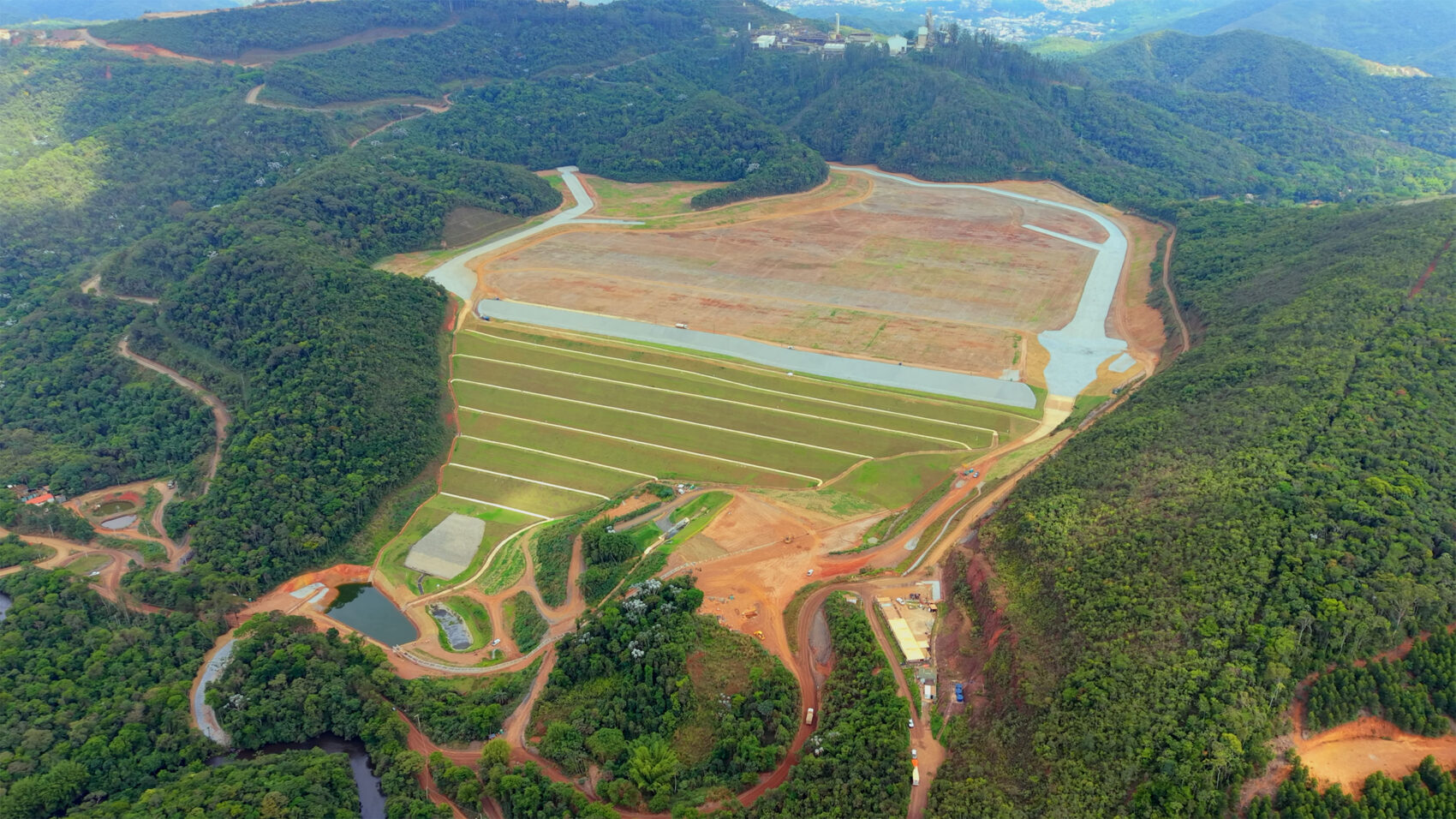
AGA Mineração, Cuiabá, Brazil
We recognise that the long-term success of our operations is intrinsically linked to the strength, inclusion and wellbeing of the communities and host countries in which we operate. Our goal is to create a legacy of shared value that extends beyond the life of our mines. Guided by our purpose of empowering people and advancing societies, we work in partnership with stakeholders to build trust, strengthen local and regional capacity, and contribute to sustainable social and economic development.
Our social management approach seeks to enhance the environmental, social and economic wellbeing of host communities through strengthened social capital, inclusive economic participation and institutional capacity development. Implemented across the project life cycle, these efforts are designed to contribute to positive outcomes during operations and to support resilient, self-sustaining communities beyond the operational phase.
Our commitment
Our social governance structures and processes are grounded in compliance with applicable host country laws and are informed by relevant international standards and best practice. We are committed to implementing community management programmes and activities that are governed through the Group’s Social Performance Management Standard Framework, supported by site-level management procedures and aligned with globally recognised best practice standards from industry bodies, including, but not limited to, ICMM and WGC. We are committed to aligning our practices with the International Finance Corporation (IFC) Performance Standards, the UNGPs, and ICMM performance expectations and position statements, including the Indigenous Peoples Position Statement. We respect the principles of free, prior and informed consent (FPIC) in our engagement with indigenous peoples.
Through our Group-wide social management and performance programmes, we are committed to creating shared value, safeguarding human rights and protecting livelihoods, and building resilient communities through inclusive engagement, co-designed socio-economic development programmes, risk management and effective grievance mechanisms.
In 2025, we continued to implement our 2024— 2026 community relations strategy, with the majority of the strategy’s pillars and activities already in place, and the remainder scheduled to be fully implemented by 2026.
To ensure the advancement of our social performance commitments, we conduct structured, rotational assurance reviews of site-level performance against our Group standards. These assessments are led by our corporate functional specialists during a coordinated combined assurance cycle, ensuring consistency, independence, and technical rigor across operations. This governance framework strengthens risk oversight, enhances operational resilience, and supports continuous improvement across our sustainability performance.
Strategic focus areas:
Socialise the updated social performance standard and management procedures
Strengthen the existing socio-economic development programmes
Continued implementation of the Community PSP metric on grievance management
Refining of risk and information management system to enhance the social performance of the Group
Priority Activities for 2024 – 2026
The strategy focuses on seven pillars:
Leadership and people
Clarification of roles between corporate/BU/Operations
Integration into mine planning/projects
Enhancing monitoring processes
Simplified policy and standards framework
Review of Group Management Standards
Focus on improving strategic and technical guidance interventions
Stakeholder
engagement and
communication
practices
Review of stakeholder engagement process
Leading Practice
Review of site-based engagement DOAs
Collaborating to share benefits
Review of SEDPs development and implementation approaches – (phased approach)
Improve the interface between procurement and compliance processes – inefficiencies and delays addressed
Risk and system
management
Implement proactive impact management programmes
Implementation of Community PSP metric
Review and implement artisanal and small-scale mining (ASM)/illegal mining management strategies
Information
technology and
innovation
Development and implementation of climate resilient plans
Development and implementation of programme to achieve conformance with GISTM
Proactive impact management
Develop a community Performance Share Plan (PSP) metric
Continuously focus on safety and resilience programmes
Legend
Completed
Ahead of schedule
In progress
Behind schedule
Performance in 2025
Stakeholder relations
Our social licence to operate relies on community relations and partnerships built on trust, legitimacy, and acceptance in host communities, managed through structured engagement processes that promote transparency, inclusiveness, and responsiveness.
We focus on building strong, trust-based relationships with communities and our stakeholders to maintain our social licence to operate, recognising that legitimacy and acceptance are earned through consistent and meaningful engagement. Our approach emphasises inclusive participation, targeted local investment, and structured processes to monitor and address social concerns transparently and responsively.
By integrating community feedback into decision making, we aim to strengthen local capacity, support resilience, and deliver lasting social and economic value beyond the life of our operations.
All operations maintain stakeholder engagement plans, informed by comprehensive stakeholder mapping and analysis. These plans define engagement objectives, methods and frequency, and are reviewed and updated annually in line with regulatory requirements and internal standards. Our engagement activities range from formal consultations and community forums that also target vulnerable groups (women, youth, minorities, etc) and project-affected people.
Our engagement activities strengthen relationships with local communities and ensure they are well informed about our mining activities ahead of approval processes. We do this through formal and informal forums, planned and ad hoc engagements, and public events. We also maintain local access points. These include our Beatty community office in the US, which is staffed by personnel recruited from local communities, to facilitate information sharing and receive community feedback on the Nevada project.
Key engagement themes during the year included local employment and procurement opportunities, the selection and implementation of community development projects, ASM and illegal mining activities, rights, land access and resettlement, grievance resolution and community safety. Engagement with government authorities at local, regional and national levels remained central to aligning community initiatives with broader development plans.
In 2025, we continued to implement our social licence to operate assessment matrix, which actively monitors key metrics and indicators used to measure levels of social acceptance across all operations in the Group. Social licence to operate assessments were conducted across the group as part of the Combined Assurance Reviews under the oversight of Group Internal Audit. These assessments monitor key social licence to operate performance indicators that are closely linked to Human Rights considerations, including business disruptions, stakeholder complaints and grievances, litigation and regulatory interventions, strategic partnerships and collaborations, and public and media perception. The results enable us to map our operations and sites according to performance scores, ensuring responsible operations and sustaining stakeholder trust. Notably, none of our sites were rated as social licence to operate withdrawn during this reporting period, reflecting our strong commitment to maintaining our social licence to operate.
To ensure continuous improvement of our systems, an independent external review of the social licence to operate assessment matrix was completed during the year, with implementation of recommendations planned for 2026. The review identified opportunities to strengthen how social acceptance, legitimacy and trust levels are tracked and measured within our host communities.
To complement internal assessments, the Company undertakes independent community perception surveys at selected operations. During 2025, perception surveys were conducted at our operations in Brazil and Geita and at the Quebradona project in Colombia. These surveys assessed community views on trust, legitimacy, communication effectiveness and perceived impacts, providing objective insights into social performance and enabling management to target interventions more effectively. During 2025, we also conducted an independent analysis of our perception survey reports and will implement the recommendations in 2026 and beyond.
AngloGold Ashanti Social Licence to Operate Assessment
Contributor (91 – 100%)
Social licence to operatemaintained
3 operations
High level of trust by the community
Recognised by all internal and external stakeholders as a company contributing to social upliftment and common good
Approval (61 – 90%)
Social licence to operateobtained
5 operations
Adequate level of trust by the community
Evidence of partnership / collaboration with communities / government
Tolerated (31 – 60%)
Tolerated but not trusted by the community
2 operations
Obtaining social licence to operate or social licence to operate is being revoked
Withheld / Withdrawal (0 – 31%)
Not trusted by the community
0 operations
No social licence to operate or social licence to operate revoked
Effective socio-economic contributions
We are committed to delivering tangible, shared benefits from mining to our host communities and governments through partnerships that drive positive social and economic outcomes.
Our social investment approach, guided by the Socio-economic development standard, focuses on generating sustainable, inclusive outcomes by supporting development priorities most material to our business, partners and stakeholders. Community investment expenditure for 2025 amounted to $27.25m (FY24: $20.56m), supporting programmes aligned with our social value priorities.
Education
Education remains a Group-wide priority with every site advancing initiatives to improve access and elevate the standard of education within local learning institutions. Key projects included awarding bursaries and scholarships, construction and refurbishment of schools, provision of learning material and training of teachers. Through these initiatives, we aim to empower children and youth, build capacity and support the development of resilient communities. The Rosebank office in South Africa continued its partnership with PROTEC, an organisation delivering a STEM focused programme. The 2023 programme cohort completed matriculation in 2025 with a 100% pass rate, demonstrating the effectiveness of the initiative.
In addition, our Obuasi mine in Ghana constructed and handed over a Robotics Centre at the Obuasi Senior High Technical School, supporting problem solving, innovation, engineering, coding and future-focused learning.
Health
Strengthening health systems and improving access to quality healthcare remains a key priority. The resilience and economic growth of our host communities depend on healthy populations and mental wellbeing support productive communities. In 2025, various health facilities were constructed and refurbished alongside targeted training to strengthen the capacity of healthcare service providers. Additional projects included the purchase of medical equipment, medical supplies and implementation of health related campaigns.
Malaria prevention programmes continued to be implemented at our Obuasi and Iduapriem sites, where malaria prevalence remains high. During the reporting period, the programme was extended to Siguiri, with significant progress made in protecting local communities from malaria. In Ghana, the AGA–Obuasi–Global Fund–Ghana Health Services partnership expanded malaria protection across 16 districts and 45 correctional facilities in Ghana, reaching over 100,000 households and more than one million people.
Training and skills development
Training and skills development are central to building sustainable livelihoods, promoting inclusive growth and strengthening long-term economic resilience within host and local communities. Our mines implemented a variety of programmes which included capacity building for youth, women, municipality agents and local community groups. Various training programmes were also offered across the Group, including, but not limited to, Adult Basic Education and Training (ABET) literacy, tailoring and hairdressing skills development training for 221 women in Siguiri; 590 teachers trained in the common core programme and supervisory skills by the Obuasi mine; and 70 youth enrolled in a Youth and Girls’ Apprenticeship Programme by the Iduapriem mine.
Social infrastructure
49% of our contributions was allocated to social infrastructure initiatives aligned with assessed community needs, reinforcing essential services and infrastructure in our host communities. Siguiri mine constructed the Fatoya soccer pitch, which serves a population of 15,000 people. Geita constructed the Nyakabale bridge, which provides easier access to Geita town for communities, and refurbished the Bwanga bus stop to enhance transport efficiency and revenue collection. The mine also installed solar-powered streetlights in Masumbwe town to improve safety and mobility. Our Sukari mine upgraded roads to address and improve community safety. The mine also established water wells in Wadi EI Gemal protectorate to support environmental conservation.
Enterprise development
Our Enterprise Development programmes focused on creating sustainable livelihoods and strengthening the capacity of community based groups with a particular focus on women and youth. Along with our support for small and medium enterprises (SMEs), these programmes contribute to job creation, promote economic diversification and strengthen local content in our value chain.
Our Quebradona project in Colombia partnered with the Medellín Chamber of Commerce to implement a five phase programme to develop local entrepreneurs. In 2025, 90 local entrepreneurs participated in the programme, which focused on capacity building, facilitating market access and funding opportunities.
The Cerro Vanguardia and Obuasi mines continued to disburse loans to SMEs in 2025. Through Obuasi mine’s partnership with ABSA, loans were disbursed to 26 SMEs, strengthening access to finance and business sustainability. Siguiri mine supported 14 women’s groups through a soap making initiative, benefitting approximately 600 people. In addition, the mine procured farming equipment for three cooperatives supporting 1,457 farmers participating in the market garden project, with a further four tractors purchased to strengthen productivity among 406 cereal farmers.
Sports, arts and culture
Vibrant, resilient communities are sustained through meaningful investment in sports, arts and culture, supporting creativity, enhancing physical and mental wellbeing and strengthening social cohesion. In Brazil, our AngloGold Ashanti Memory Centre continues to attract thousands of visitors annually, preserving and showcasing Nova Lima’s mining heritage. Following approval from the National Institute of Historic and Artistic Heritage (IPHAN), we have started an archaeological heritage management programme and construction phase at the Nova Vila project involving repurposing former mining areas to form a dynamic, mixed-used community precinct.
The Australia BU entered into a three-year partnership with the Goldfields Aboriginal Language Centre in Kalgoorlie, Western Australia, to revitalise, preserve and promote Aboriginal languages and cultural knowledge in the region. In 2025, we formalised agreements across our jurisdictions to support local sports clubs and cultural institutions including dance schools, indigenous music initiatives and community festivals such as the Patagonian Youth Folklore Festival, and the Festival of Collectivities.
In line with our corporate social responsibility priorities, we promote employee participation in community upliftment initiatives through structured volunteer programmes. This strengthens community ties and enhances employee engagement. Over 2,900 employees from Geita, Iduapriem, Obuasi, Australia, Brazil, Quebradona and the Nevada projects participated in nine social initiatives benefiting approximately 27,600 community members. Volunteers supported food distribution projects, tree planting, clean-up campaigns, children’s festivals, Christmas drives, innovation, youth mentorship programmes and awareness campaigns addressing gender-based violence, cyberbullying and digital violence. The Geita mine’s Kili Challenge, an annual volunteer programme, involved climbers and bikers raising funds for HIV and AIDS-affected communities in Tanzania. The event, established in 2002, aims to raise awareness and support for those affected by the disease.
Social upliftment
The Company stimulates economic activity in host communities through local procurement, local employment and high-impact community development initiatives. These programmes support regulatory compliance while expanding access to employment opportunities, with 98% of our 2025 workforce drawn from local communities. Contractors are encouraged to source skills and services locally, and we actively support collaboration with host community businesses.
The Company’s inclusive procurement practices significantly boost local economic growth, with $5.05 billion spent on local suppliers in 2025 — amounting to 92% of our total procurement. Despite this positive impact, we acknowledge the persistent socio-economic challenges in host communities, including inadequate infrastructure, limited basic services, limited skills and capacity, and insufficient supplier development and funding. We remain committed to working with governments, civic organisations and other stakeholders to develop and strengthen the capabilities and skills of our suppliers, local talent and institutions, ensuring sustained socioeconomic development beyond the life of our mines.
Legacy Projects
AngloGold Ashanti honours its South African heritage through sustained investment in legacy initiatives.
University of Fort Hare (UFH) — AngloGold Ashanti Legacy Bursary Fund
In December 2025, AngloGold Ashanti committed an additional R24.5m to the University of Fort Hare (UFH) AngloGold Ashanti Legacy Bursary. Originally established to support undergraduate and postgraduate studies in strategic priority areas aligned with the AngloGold Ashanti Research Chair Endowment, the bursary has, since 2024, focused on advancing research and innovation in dairy science and technology. The initiative strengthens human capital in this critical sector, supporting sustainable food security and nutrition while developing the next generation of scientists and technologists. Recipients conduct research under the UFH–AngloGold Ashanti Research Chair, engage with local and international industry partners and contribute to impactful solutions across the dairy value chain, from production to product development.
University of Witwatersrand scholarship project
In its second year, AngloGold Ashanti’s scholarship programme with the University of Witwatersrand (Wits) delivered strong academic outcomes, with most 2025 Legacy Scholarship recipients progressing successfully within the mid-to-high achievement bands.
Aligned with national development priorities and the Company’s human capital objectives, the programme supports studies across Health Sciences, Engineering and the Built Environment, Science, Commerce, Law, Humanities, and Education, with emphasis on scarce and critical skills. The 2025 cohort comprised predominantly female students, largely from rural and mining-linked communities in South Africa and Lesotho, including 88% undergraduates and 12% postgraduates.
Between 2024 and 2025, students received comprehensive support, including academic bootcamps and writing retreats, leadership and financial literacy training via the Ulwazi LMS, one-on-one coaching, career readiness workshops and job-shadowing and mental health and wellbeing services. Student feedback consistently highlights wraparound support as a defining feature of the programme.
Performance in 2025:
121 active scholarship recipients by December 2025
91.1% of students met or exceeded the minimum academic progression requirement
8.9% (12 of 121 students) did not meet the 55% threshold, all of whom were formally identified as at-risk and received structured support
16 students successfully completed qualifications in 2025, inclusive of rollover from the first cohort
Sustained participation in the wraparound support programmes, with engagement rates exceeding 90% in key developmental interventions
These outcomes confirm both academic accountability and the responsible implementation of a holistic support framework aligned with AngloGold Ashanti’s legacy objectives.
Social impact management
Our impact management programmes prioritise the mitigation of operational risks through a transparent grievance process and a structured community relations strategy. This approach is strictly aligned with the IFC Performance Standards, the UNGPs, and ICMM performance expectations. By adhering to these global benchmarks, we ensure our activities respect the livelihoods, cultures, and heritage of the communities in which we operate. In 2025, we continued to strengthen our social risk management processes through a structured approach to risk identification, assessment and mitigation.
Resolving grievances to build trust
Central to our impact management programmes are robust grievance mechanisms that are frequently reviewed to ensure they remain responsive to evolving stakeholder demands. We do not merely seek to mitigate negative consequences; we utilise a formal mitigation hierarchy to avoid, minimise, and restore impacts identified through meaningful engagement. By integrating these insights into our operational decision making, we uphold the highest ethical standards, fostering long-term trust and accountability with all local stakeholders.
We analyse grievance trends to implement preventative measures and improve operational standard operating procedures. Our grievance mechanisms are accessible to all stakeholders, including marginalised groups, and ensure non-retaliation and confidentiality. Our approach is aligned with the IFC, ICMM, and UNGPs regarding access to remedy.
In total, 92 complaints and grievances, from communities and other external stakeholders were lodged in 2025 (2024: 112). These were predominantly related to impacts from mining activities (blasting and dust impacts) and land compensation claims. Of the grievances, 96% (2024: 93%) were resolved by year end. Certain complaints and grievances require some time to resolve, particularly when third parties are required to participate in their resolution. Complaints, grievances, and community incidents are captured and managed on our iSIMS platform, which records impacts, the outcomes of investigations, and mitigating actions.
LA | Grievance Mechanisms
Operation
Number of complaints and grievances received
Number of complaints and grievances unresolved
% of resolved complaints and grievances
Australia
1
0
100 %
Iduapriem (Ghana)
9
2
78%
Obuasi (Ghana)
5
1
80%
Geita (Tanzania)
7
0
100%
Siguiri (Guinea)
11
1
91%
Cerro Vanguardia (Argentina)
1
0
100%
AGA Mineração (Brazil)
53
0
100%
Serra Grande (Brazil)
1
0
100%
Nevada Projects (USA)
2
0
100%
Sukari (Egypt)
2
0
100%
Breakdown of complaints and grievances 2025
Community incidents
We maintain a standardised community incidents management matrix to categorise events based on their impact on community livelihoods, human rights, and operational continuity. By tracking incidents through this lens, we ensure that any disruption — whether affecting the community’s wellbeing or our own services — is met with a proportionate and transparent remediation plan. This structured response allows us to integrate real-time feedback into our operational decision making, fostering long-term trust and accountability.
In 2025, 30 community incidents were reported (34: FY24). Incidents are systematically tracked and analysed to identify recurring risks, social tensions, and potential human rights impacts, ensuring proactive mitigation. Most community incidents occurred near our African and South American operations. Our incident management protocols are critical to our social impact strategy, utilising root-cause analysis to minimise recurrence and drive operational improvement. We maintain a multi-stakeholder response framework, proactively collaborating with community leaders and local authorities to ensure transparent, shared accountability in every resolution.
Responsible land access and resettlement
Land is recognised as a vital resource for communities, deeply intertwined with their cultures, traditions and livelihoods. Responsible land acquisition is prioritised, respecting affected rights and adhering to laws and international standards, including the IFC Performance Standard 5. Resettlements are undertaken as a last resort, focusing on empowering communities to make informed choices and alleviating negative impacts. The Land Access and Resettlement Standard guides this process, necessitating the creation of Resettlement Action Plans and Livelihood Restoration Plans by specialised resettlement consultants with stakeholder involvement to address displacement and economic effects.
Land-related actions and developments in 2025 included:
Ghana: Iduapriem
The implementation of the Teberebie Resettlement Project continued through 2025, with compensation payments to Project Affected Persons (PAPs) in progress. While relocation has been delayed by localised community leadership disputes including the location of the resettlement sites, the mine has proactively engaged in a multi-stakeholder mediation process involving community leaders, local authorities, and regulators to achieve a consensus-based resolution and resume the project timeline.
Ghana: Obuasi
The Binsere Relocation and DTSF land acquisition initiatives, which commenced in 2025, form part of our community safety risk-reduction programme, focused on acquiring land and relocating households from areas of potential operational impact to protect their long-term wellbeing. To guarantee compliance with international best practices, a moratorium has been declared for the required land, and professional resettlement consultants have been recruited to conduct detailed socio-economic baseline studies, establishing a solid data basis for the resettlement action plan (RAP).
Guinea: Siguiri
Implementation of the 2024 Area 1 resettlement agreement — facilitated by IFC-led mediation — continues. All settlement fees have been disbursed, supporting the establishment of the Area 1 Sustainable Development Fund. We continued to comply with the mediated agreement through the settlement of all compensation obligations to PAPs during the year. This demonstrates our commitment to fair, transparent and timely remedy processes.
In Siguiri, the Block 3 land acquisition programme progressed along with compensation for areas required for infrastructure development, the Block 3 haul road, and the project’s exclusion zones.
Tanzania: Geita
Following government approval of the Geita Land Use Management Plan, we successfully completed the acquisition of land in the Samina East area. This process included the respectful relocation of 59 graves in accordance with local cultural protocols. Leveraging a 2025 social survey, we are now conducting feasibility studies to integrate future land requirements with sustainable community development needs.
Land acquisition planning for the Nyakabale, Nyamalembo, Manga, and Samina villages officially commenced during the year, following the strategic recommendations from the Geita Land Use Management Plan drafted in coordination with local authorities. To ensure a fair and transparent compensation framework, a professional land valuation firm has been retained to carry out field valuations. This process is being managed with a focus on regulatory compliance and stakeholder equity, with the final valuation report and compensation schedule expected in 2026.
USA: Nevada Projects
The land acquisition process for the employeeonly RV facility at Boulder Ridge Mobile Home Park was initiated in 2025, involving representatives from legal and regulatory authorities as well as affected stakeholders. Four households have been identified for relocation in accordance with the Park Closure Agreement, with all PAPs eligible for full relocation reimbursement, hardship payments, rental options with financial support, and compensation aligned to their selected relocation options. As part of the baseline data-gathering process, PAPs completed the Resident Relocation Plan Information Form, supported by a resettlement specialist consulting firm and undertaken under the auspices of Nye County.
Preservation of cultural heritage and sacred sites
Cultural heritage preservation is a core component of our social licence to operate and regulatory compliance framework. We employ rigorous identification and protection protocols for archaeological, historical, and intangible heritage to prevent irreparable damage to local identities and mitigate social risk. By integrating heritage management into our Long-term Mine Closure and Sustainable Land Use strategies, we ensure that the cultural integrity of our host communities is preserved throughout and beyond the life of the mine in line with the IFC Performance Standard 8. As a member of the ICMM, we have voluntarily committed to not mine or prospect in world heritage sites. This is echoed in our Cultural Heritage and Sacred Sites Standard, which lays out key requirements to ensure best practice is employed in the protection of cultural heritage and sacred sites.
Cultural and heritage undertakings in 2025 are as follows:
Australia
We continue to prioritise the Cultural Heritage surveys that are undertaken in consultation with the Native Title holders to support our operations and exploration activities in Australia, with more surveys planned for both the Sunrise Dam and Tropicana mines. AngloGold Ashanti continued to support the Laverton Cross Cultural Association, a not-for-profit organisation dedicated to encouraging cultural understanding, supporting community programmes and promoting Aboriginal art.
Brazil
The AngloGold Ashanti Memory Centre, remained a central hub for heritage engagement in 2025, hosting 1,759 visitors for educational and cultural activities. We also initiated a collaborative partnership with the ‘Solidarians’ — a stakeholder group dedicated to the English Cemetery. This initiative focused on specialised tomb restoration, interpretive signage, and site maintenance. We also progressed the redevelopment of the Mingu Shaft through a participatory design process. By engaging the local community to define the property’s future use, we ensure that post-mining land use creates lasting social value and preserves the historical identity of our host regions.
Geita, Tanzania
The grave relocation project for Samina East and Nyamalembo was successfully concluded during 2025, with 58 graves relocated in strict accordance with the official gazette issued by the Permanent Secretary of the Ministry of Lands, Housing, and Human Settlements Development. To ensure the process met international best practices and respected local sensitivities, the relocation was conducted in formal consultation with the Registration, Insolvency and Trusteeship Agency (RITA) and was meticulously overseen by specialised land access and cultural heritage consultants.
Siguiri, Guinea
Prior to the commencement of Block 3 mining activities, we completed a comprehensive Cultural Heritage and Sacred Sites survey. This mapping programme included ‘ground-truthing’ data to verify the presence and location of significant sites within the exclusion zones and haul road corridors.
As part of the Block 2 Heritage Management Plan, we successfully executed a reforestation project at the Allah Kolon Nin Da sacred site in Foulata village. In collaboration with traditional leaders, 107 trees — comprising a strategic mix of exotic and indigenous species (including Gmelina, Tamarin, Baobab, and Lenke) — were planted to restore the site’s nutritional, timber, and cultural value.
Additionally, the Block 1 Heritage Management Plan has been finalised following extensive field surveys and is currently awaiting approval from local authorities for implementation.
Partnering with indigenous communities
We respect the rights, interests, cultures and self-determination of indigenous peoples and communities where we operate. We recognise their traditional knowledge systems, deep spiritual and cultural connection to land and natural resources, and the importance of protecting their heritage, identity and livelihoods. Our objective is to build long-term, trust-based relationships founded on respect, transparency and mutual benefit.
Our approach is guided by our Social Management Standard Framework, which incorporates standards on human rights, indigenous peoples, cultural heritage and sacred sites, and complaints and grievance management. These standards align with the United Nations Declaration on the Rights of Indigenous Peoples (UNDRIP), IFC Performance Standard 7 on Indigenous Peoples, and ICMM Performance Expectations and Position Statements, including the Indigenous Peoples Position Statement adopted in 2024.
We implement structured processes to identify indigenous peoples and their institutions, honouring their rights and assessing potential impacts of projects on their lands and cultural heritage. For projects affecting these areas, we employ culturally appropriate engagement processes aimed at achieving FPIC. These engagement processes are documented and supported with independent expertise when necessary. If consent cannot be attained, we review the project designs in consultation with the affected communities.
We acknowledge customary land tenure and traditional land-use practices, ensuring they inform land access, compensation, livelihood restoration, and resettlement planning in line with IFC Performance Standards. Cultural heritage and sacred sites are managed through collaborative cultural heritage management plans. Indigenous stakeholders have access to culturally appropriate grievance mechanisms and remedy pathways. Complaints relating to land, cultural heritage, or rights are prioritised and addressed through agreed resolution processes that respect community protocols. Our aim is to ensure effective remedy, restore trust where impacts have occurred, and prevent recurrence.
We support self-determined development by working in partnership with indigenous communities to co-design socio-economic programmes aligned with their priorities. Initiatives may include health, education, employment, supplier development, cultural preservation and enterprise support, with a focus on strengthening long-term resilience beyond the life of mine.
In Australia, we operate on the lands of the Nangannya-ku Native Title Group and the Nyalpa Pirniku Native Title Group, represented by the Barra Parrapi Aboriginal Corporation RNTBC and Wangkatja Tjungula Aboriginal Corporation (RNTBC), respectively. Engagement with recognised Aboriginal Corporations and representative bodies continued, with negotiations initiated in 2023 progressing during the year, focusing on land access, cultural heritage protection, and long-term community development partnerships. In addition, Cultural Heritage surveys were undertaken in consultation with the Native Title holders to support the Australian operations. Additional ethnographic and archaeological surveys at Sunrise Dam and Butcher Well for greenfields exploration activities were completed during the year.
We continue to prioritise strong relationships with landholders in areas where our exploration activities are ongoing. Our Queensland exploration permits are in good standing. We have secured ongoing land access for low impact field work by meeting directly with landholders and staying compliant with Native Title requirements. Our commitment to the formal Entry Notice process ensures transparent communication and long-term operational stability.
In Egypt, our Sukari mine operates on traditional Bedouin territory. As part of the mine’s management plans, we work with local Bedouin families and communities to provide employment, services, community discussions, and social investment opportunities.
Looking ahead
Roll out the Social Management and Performance Standard and relevant management procedures across the Group
Strengthen the discipline and maturity of the social performance function
Enhance and expand existing socioeconomic development programmes
Continue consistent implementation of the Community PSP metric on grievance management
Refine the Group’s risk management system to improve overall social performance
Launch the revamped Community Information Management System to improve data quality and decision making
Related SDGs
SDG 3
Good Health and well-being
SDG 4
Quality education
SDG 6
Clean water and sanitation
SDG 8
Decent work and economic growth
SDG 11
Sustainable cities and communities
SDG 16
Peace, Justice and strong institutions
Material sustainability issues
Securing our social licence to operate through effective stakeholder engagement and community support
Respecting human rights and the rights of indigenous people
Understanding and responding to changing socio-economic and political contexts
Ensuring safety, health and overall wellbeing of employees and communities
Failure to maintain sufficient resilience to external financial drivers
Failure to maintain social licence to operate
Inability to manage interaction with artisanal and small-scale mining (including illegal mining)
Disclosure against standards
SASB EM-MM-210b.1: Discussion of process to manage risks and opportunities associated with community rights and interests
GRI2-29: Approach to stakeholder engagement
GRI 203-1: Infrastructure investments and services supported
GRI 203-2: Significant indirect economic impacts
GRI 413-1: Operations with local community engagement, impact assessments, and development programs
GRI 413-2: Operations with significant actual and potential negative impacts on local communities
GRI 14.10: Local communities
GRI 411-1: Incidents of violations involving rights of indigenous peoples
GRI 14.11: Rights of Indigenous Peoples
GRI 14.12: Land and resource rights
GRI 14.14: Security practices
GRI 14.19: Forced labor and modern slavery
GRI 14.25: Conflict-affected and high-risk areas
ICMM SERF Indicator 6: Local procurement: Percentage of the procurement spend that is spent on suppliers local to operations (disaggregated per gender and ethnicity)
ICMM SERF Indicator 7: Education and skills support: Overview of the range of education and skills programmes deployed outside of workforce
ICMM SERF Indicator 8: Capacity and institution support: Overview of the range of capacity and institution programmes deployed
ICMM Responsible Mining Principle 9: Social performance: Pursue continual improvement in social performance and contribute to the social, economic and institutional development of host countries and communities.
WGC Responsible Gold Mining Principle 7: Working with communities: We will contribute to the socio-economic advancement of communities associated with our operations and treat them with dignity and respect.
What we measure
Community investment
$27.25bn
(2024: $20.56bn)
RA | Community investment ($m)
Community investment spend focus areas (2025)
Operational community incidents
30
(2024: 34bn)
Community incidents (number)
Local procurement spend
$5.05bn
(2024: $4.26bn)
LA | Complaints and grievances lodged
92
(2024: 112)
LA | Complaints and grievances resolved
88
(2024: 104)
Complaints and grievances unresolved
4%
(2024: 7%)
Complaints and grievances not resolved from the previous year
0
(2024: 8)
% of sites have stakeholder engagement plans in place
100%
(2024: 100%)
% of sites have socio-economic development plans in place
This webpage does not purport to be a complete summary of the applicable underlying report and is qualified in its entirety by reference to the applicable underlying report. This webpage should be read in conjunction with the applicable underlying report, including the qualifications and limitations described therein, as there may be information in the applicable underlying report that may be important.
All Mineral Resource and Mineral Reserve information should be read in conjunction with Item 4D. Mineral Resource and Mineral Reserve in AngloGold Ashanti’s annual report on Form-20F for the fiscal year ended 31 December 2025, as filed with the U.S. Securities and Exchange Commission, as well as AngloGold Ashanti’s 2025 Mineral Resource and Mineral Reserve Report.
Forward-looking statements
Certain statements contained in this webpage, other than statements of historical fact, including, without limitation, those concerning the economic outlook for the gold mining industry, expectations regarding gold prices, production, mine life, total cash costs, all-in sustaining costs, cost savings and other operating results, return on equity, productivity improvements, growth prospects, preliminary financial and production metrics for in-process projects, the ability to convert Mineral Resource into Mineral Reserve and replace Mineral Reserves net of depletion from production and outlook of AngloGold Ashanti’s operations, individually or in the aggregate, including the achievement of project milestones, commencement and completion of commercial operations of certain of AngloGold Ashanti’s exploration and production projects and the completion of acquisitions, dispositions or joint venture transactions, AngloGold Ashanti’s liquidity and capital resources and capital expenditures and the outcome and consequences of any potential or pending litigation or regulatory proceedings or environmental, health and safety issues, are forward-looking statements regarding AngloGold Ashanti’s financial reports, operations, economic performance and financial condition.
These forward-looking statements or forecasts are not based on historical facts, but rather reflect our current beliefs and expectations concerning future events and generally may be identified by the use of forward-looking words, phrases and expressions such as “believe”, “expect”, “aim”, “anticipate”, “intend”, “foresee”, “forecast”, “predict”, “project”, “estimate”, “likely”, “may”, “might”, “could”, “should”, “would”, “seek”, “plan”, “scheduled”, “possible”, “continue”, “potential”, “outlook”, “target” or other similar words, phrases, and expressions; provided that the absence thereof does not mean that a statement is not forward-looking. Similarly, statements that describe our objectives, plans or goals are or may be forward-looking statements.
These forward-looking statements or forecasts involve known and unknown risks, uncertainties and other factors that may cause AngloGold Ashanti’s actual results, performance, actions or achievements to differ materially from the anticipated results, performance, actions or achievements expressed or implied in these forward-looking statements. Although AngloGold Ashanti believes that the expectations reflected in such forward-looking statements and forecasts are reasonable, no assurance can be given that such expectations will prove to have been correct. Accordingly, results, performance, actions or achievements could differ materially from those set out in the forward-looking statements as a result of, among other factors, changes in economic, social, political and market conditions, including related to inflation or international conflicts, the success of business and operating initiatives, changes in the regulatory environment and other government actions, including environmental approvals, fluctuations in gold prices and exchange rates, the outcome of pending or future litigation proceedings, any supply chain disruptions, any public health crises, pandemics or epidemics, the failure to maintain effective internal control over financial reporting or effective disclosure controls and procedures, the inability to remediate one or more material weaknesses, or the discovery of additional material weaknesses, in the Company’s internal control over financial reporting, and other business and operational risks and challenges and other factors, including mining accidents. For a discussion of such risk factors, refer to the Company’s annual report on Form 20-F for the financial year ended 31 December 2025, filed with the U.S. Securities Exchange Commission. These factors are not necessarily all of the important factors that could cause AngloGold Ashanti’s actual results, performance, actions or achievements to differ materially from those expressed in any forward-looking statements. Other unknown or unpredictable factors could also have material adverse effects on AngloGold Ashanti’s future results, performance, actions or achievements. Consequently, readers are cautioned not to place undue reliance on forward-looking statements.
AngloGold Ashanti undertakes no obligation to update publicly or release any revisions to these forward-looking statements to reflect events or circumstances after the date of publication or to reflect the occurrence of unanticipated events, except to the extent required by applicable law. All subsequent written or oral forward-looking statements attributable to AngloGold Ashanti or any person acting on its behalf are qualified by the cautionary statements herein.
NON-GAAP financial measures
This document may contain certain “Non-GAAP” financial measures, including, without limitation, “total cash costs”, “total cash costs per ounce”, “all-in sustaining costs”, “all-in sustaining costs per ounce”, “average gold price received per ounce”, “sustaining capital expenditure”, “non-sustaining capital expenditure”, “Adjusted EBITDA”, “Adjusted net debt (cash)”, “operating cash flow” and “free cash flow”. AngloGold Ashanti utilises certain Non-GAAP performance measures and ratios in managing its business. Non-GAAP financial measures should be viewed in addition to, and not as an alternative for, the reported operating results or cash flow from operations or any other measures of performance prepared in accordance with IFRS. In addition, the presentation of these measures may not be comparable to similarly titled measures other companies may use. Reconciliations from IFRS to the Non-GAAP financial measures used in this document can be found either in this document, or in AngloGold Ashanti’s Earnings Release for the three months and the year ended 31 December 2025, which is available on AngloGold Ashanti’s website, or in its annual report on Form 20-F for the financial year ended 31 December 2025 as filed with the SEC.
2025 Mineral Resource and Mineral Reserve information
The Mineral Resource and Mineral Reserve stated herein were prepared in compliance with Subpart 1300 of Regulation S-K (17 CFR § 229.1300) (“Regulation S-K 1300”). Refer to Item 1300 (Definitions) of Regulation S-K for the meaning of the terms used in AngloGold Ashanti’s Mineral Resource and Mineral Reserve reporting. The Mineral Resource and Mineral Reserve represent the amount of gold, copper, silver, sulphur and molybdenum estimated at 31 December 2025 and are based on information available at the time of estimation. Such estimates are, or will be, to a large extent, based on the prices of the respective commodities and interpretations of geologic data obtained from drill holes and other exploration techniques, which data may not necessarily be indicative of future results. The Mineral Resource and Mineral Reserve estimates are published at 31 December 2025, taking into account economic assumptions, changes to future production and capital costs, depletion, additions as well as any acquisitions or disposals during 2025. The legal tenure of each material property has been verified to the satisfaction of the accountable Qualified Person and all of the Mineral Reserve has been confirmed to be covered by the required mining permits or there exists a realistic expectation, based on applicable laws and regulations, that issuance of permits or resolution of legal issues necessary for mining and processing at a particular deposit will be accomplished in the ordinary course and in a timeframe consistent with AngloGold Ashanti’s (or its joint venture partners’) current mine plans. For the Mineral Reserve, the term “economically viable” means that profitable extraction or production has been established or analytically demonstrated in, at a minimum, a pre-feasibility study, to be economically viable under reasonable investment and market assumptions. Mineral Reserve is subdivided and reported, in order of increasing geoscientific knowledge and confidence, into Probable and Proven Mineral Reserve categories. Mineral Reserve is aggregated from the Probable and Proven Mineral Reserve categories. Ounces of gold or silver or pounds of copper or sulphur included in the Probable and Proven Mineral Reserve are estimated and reported as delivered to plant (i.e., the point where material is delivered to the processing facility) and exclude losses during metallurgical treatment. In compliance with Regulation S-K 1300, the Mineral Resource herein is reported as exclusive of the Mineral Reserve before dilution and other factors are applied, unless otherwise stated. Mineral Resource is subdivided and reported, in order of increasing geoscientific knowledge and confidence, into Inferred, Indicated and Measured Mineral Resource categories. Ounces of gold or silver or pounds of copper, sulphur or molybdenum included in the Inferred, Indicated and Measured Mineral Resource are those contained in situ prior to losses during extraction and processing. While it would be reasonable to expect that the majority of Inferred Mineral Resource would upgrade to Indicated Mineral Resource with continued exploration, due to the uncertainty of Inferred Mineral Resource, it should not be assumed that such upgrading will always occur.
If estimations must be revised due to significantly lower commodity prices, increases in operating costs, reductions in metallurgical recovery or other factors, the Mineral Resource or Mineral Reserve may not be mined or processed profitably. In addition, material write-downs of AngloGold Ashanti’s investment in its mining properties may be required, including impacts on goodwill, as well as increased amortisation, reclamation and closure charges. If AngloGold Ashanti determines that certain parts of its Mineral Resource or Mineral Reserve have become uneconomic, this may ultimately lead to a reduction in its reported aggregate Mineral Resource or Mineral Reserve, respectively. Consequently, if AngloGold Ashanti’s actual Mineral Resource and Mineral Reserve is less than current estimates, its business, prospects, results of operations and financial position may be materially impaired.
Pre-feasibility and feasibility studies for undeveloped ore bodies present estimated capital expenditure and operating costs based on anticipated tonnage and grades of ore to be mined and processed. Other factors underlying the estimations include, among others, the predicted configuration of the ore body, anticipated metal recovery rates, and estimated costs of operating and processing equipment and facilities. Actual operating and capital expenditure cost and economic returns on projects may differ significantly from original estimates. Further, it may take many years from the initial phases of exploration until commencement of production, during which time, the economic feasibility of production may change. The Mineral Resource is subject to further exploration and development, and is subject to additional risks, and no assurance can be given that they will eventually convert to Mineral Reserve.
For additional information, refer to Table 1 (Summary Mineral Resource) and Table 2 (Summary Mineral Reserve) to Paragraph (b) of Item 1303 (Summary disclosure) of Regulation S-K, which are in AngloGold Ashanti’s annual report on Form 20-F for the financial year ended 31 December 2025 filed with the SEC. These summary tables include each class of Mineral Resource (Inferred, Indicated and Measured) together with total Measured and Indicated Mineral Resource, and each class of Mineral Reserve (Probable and Proven) together with total Mineral Reserve. The Mineral Resource at the end of the financial year ended 31 December 2025 was estimated using a gold price of $2,000/oz (2024: $1,900/oz), a copper price of $3.50/lb (2024: $3.50/lb), a silver price of $23.00/oz (2024: $23.00/oz) and a molybdenum price of $12.00/lb (2024: $12.00/lb), unless otherwise stated. The Mineral Reserve at the end of the financial year ended 31 December 2025 was estimated using a gold price of $1,700/oz (2024: $1,600/oz), a copper price of $3.10/lb (2024: $2.90/lb) and a silver price of $19.50/oz (2024: $19.50/oz), unless otherwise stated. The net difference between the Mineral Resource and Mineral Reserve at the end of the last completed financial year and the preceding financial year will be detailed for material properties, if applicable, in AngloGold Ashanti’s annual report on Form 20-F for the financial year ended 31 December 2025.
Notes:
The Mineral Resource exclusive of Mineral Reserve is defined as the inclusive Mineral Resource less the Mineral Reserve before dilution and other factors are applied.